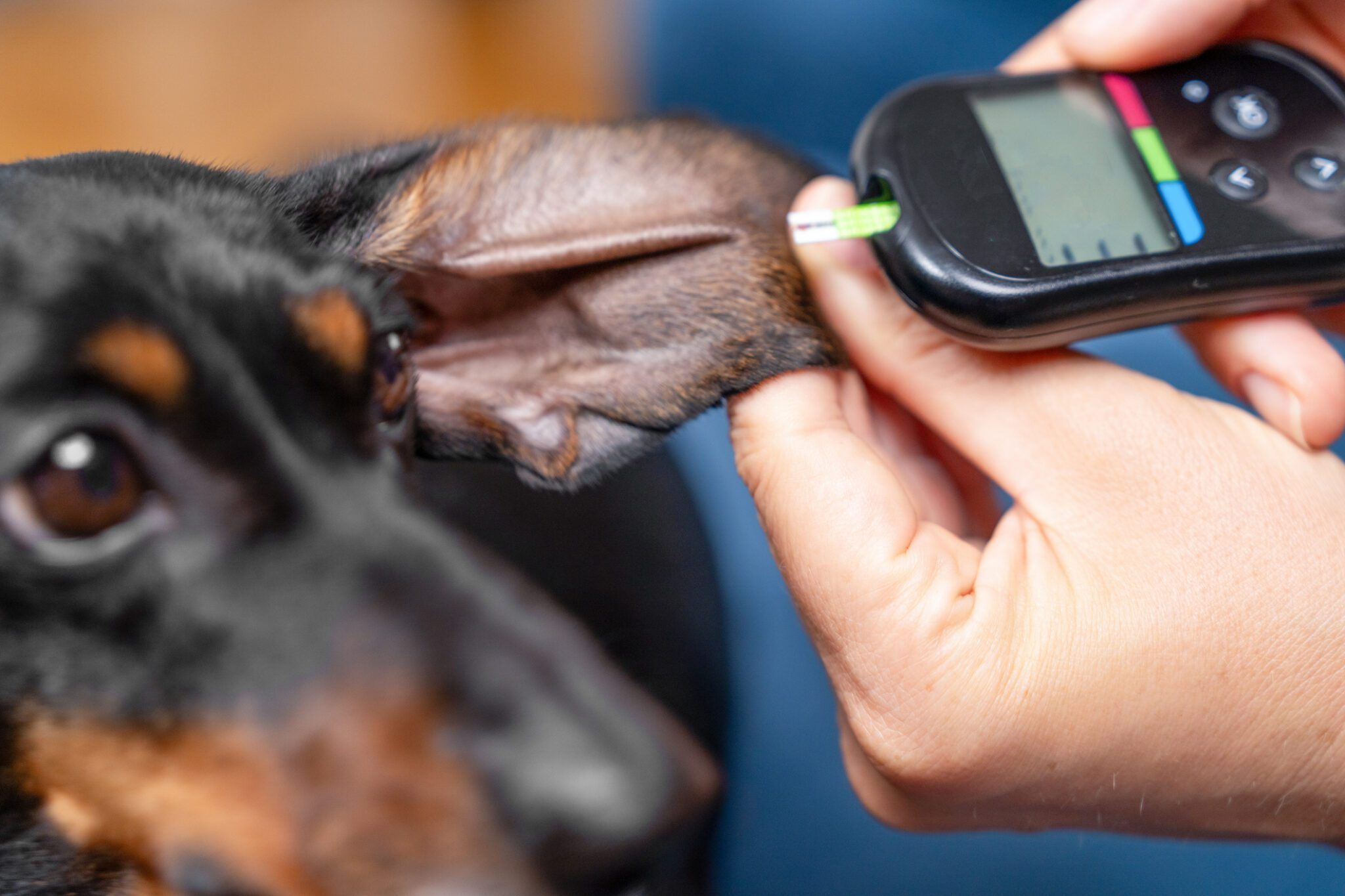
Managing canine diabetes requires a multi-pronged approach that extends far beyond insulin injections alone. Veterinarians emphasize that successful diabetes control depends on therapeutic insulin administration paired with consistent feeding schedules, regular physical activity, weight management, and ongoing monitoring from both pet owners and their veterinary team.
Diet plays a foundational role in diabetic dog management. The right food can help stabilize blood glucose levels, support healthy weight maintenance, and reduce the overall insulin dose required. Dogs with diabetes benefit from diets formulated with controlled carbohydrate levels, quality proteins, and consistent nutrient profiles that keep mealtimes predictable and blood sugar fluctuations minimal.
Timing matters enormously. Feeding your diabetic dog at the same times each day helps synchronize meals with insulin injections, creating a stable metabolic rhythm. This consistency allows veterinarians to establish reliable patterns for blood glucose monitoring and insulin dosage adjustments.
Weight management directly influences insulin sensitivity. Overweight diabetic dogs often require higher insulin doses, while achieving a healthy body condition can improve their body's natural ability to utilize insulin more efficiently. Your veterinarian can recommend appropriate portion sizes and calorie levels based on your dog's specific needs.
Exercise supports diabetes control by improving insulin sensitivity and helping maintain lean muscle mass. Regular activity also contributes to weight management and overall metabolic health, though pet owners should coordinate any exercise changes with their vet to prevent dangerous blood sugar drops.
Monitoring remains essential throughout your dog's diabetic journey. Regular veterinary check-ins allow your vet to assess how well the current management plan works, adjust insulin doses as needed, and catch any complications early. Many owners also learn to monitor their dog's water intake, urination patterns, and energy levels at home as additional indicators of diabetes control.
Working closely with your veterinarian to select the best food for your individual diabetic dog, combined with consistent