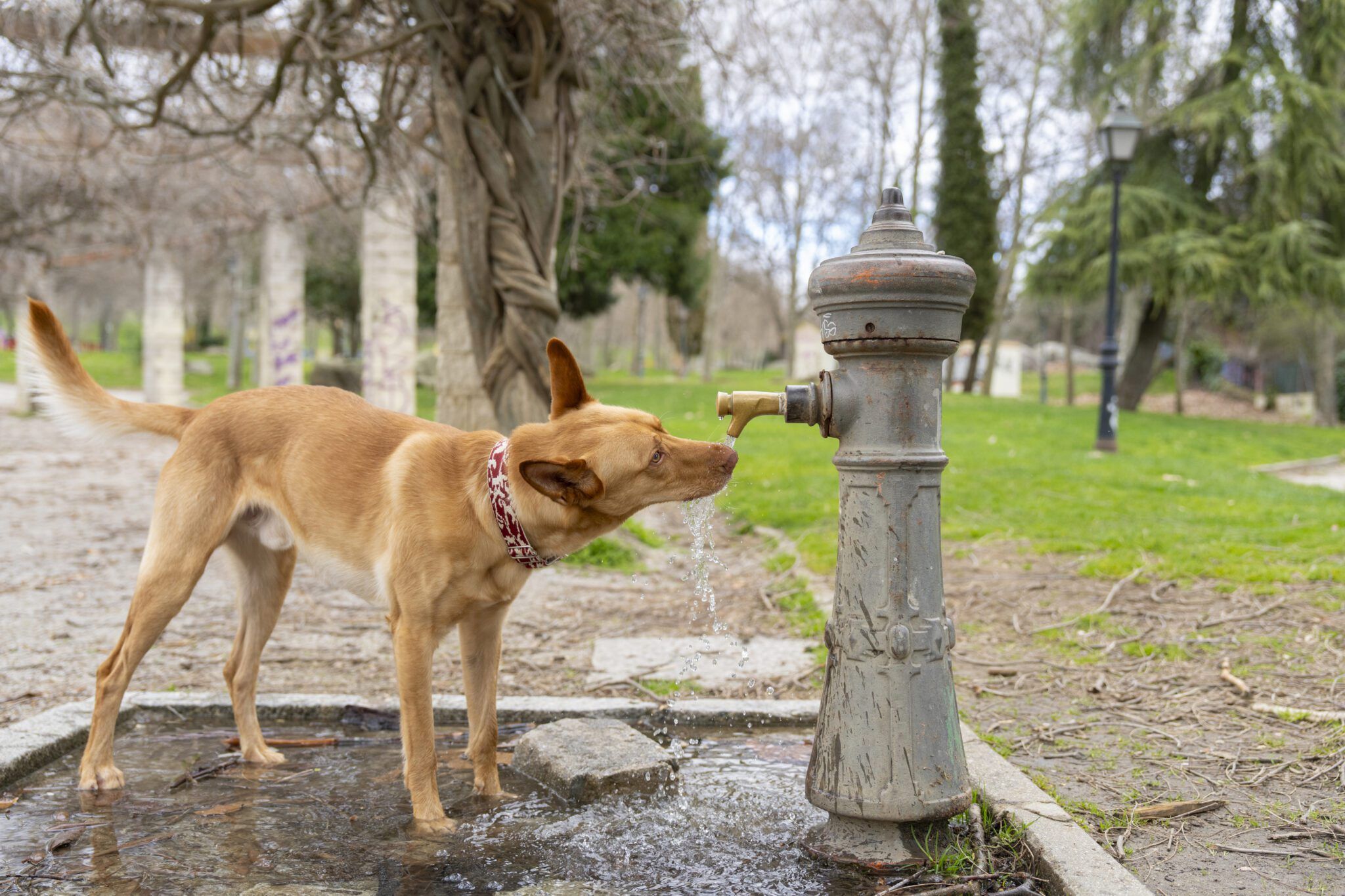
Excessive thirst and frequent urination in dogs can signal diabetes insipidus, a hormone disorder distinct from the more common diabetes mellitus. While dogs naturally vary their water intake based on activity and diet, persistent excessive drinking paired with increased urination warrants veterinary attention.
Diabetes insipidus occurs when the body fails to produce adequate antidiuretic hormone (ADH) or when the kidneys cannot respond to ADH properly. This hormone regulates water retention in the kidneys. Without proper ADH function, dogs cannot concentrate their urine, leading to excessive water loss and compensatory drinking.
Pet owners should monitor drinking patterns carefully. A dog that consistently empties its water bowl multiple times daily or begins urinating indoors despite previous house training shows signs requiring evaluation. The condition can develop at any age but appears more frequently in certain breeds.
Veterinarians diagnose diabetes insipidus through water deprivation tests and blood work measuring ADH levels. Once confirmed, treatment depends on the underlying cause. Central diabetes insipidus, caused by insufficient ADH production, responds to synthetic hormone replacement therapy. Nephrogenic diabetes insipidus, where kidneys resist ADH, requires different management strategies including dietary adjustments and medications to reduce urine output.
Without treatment, affected dogs face dehydration risks, especially if water access becomes limited. Properly managed, many dogs with diabetes insipidus maintain excellent quality of life with consistent medication and free access to fresh water.
If your dog suddenly drinks more water than usual or has accidents in the house, schedule a veterinary appointment. Early diagnosis prevents complications and allows your vet to develop an appropriate treatment plan tailored to your dog's specific condition.