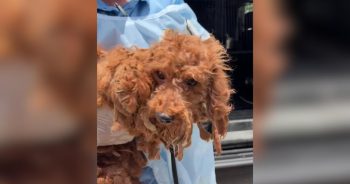
A rescue operation saved 27 dogs from an overbreeding operation where they faced severe neglect and poor conditions. The dogs arrived at their sanctuary in various states of distress, many showing signs of physical and emotional trauma from their confinement.
The rescue team worked to rehabilitate each dog, focusing on basic care and behavioral recovery. The animals received veterinary attention to address health issues stemming from neglect, malnutrition, and unsanitary living conditions. Staff members introduced the dogs to positive human interaction gradually, allowing traumatized animals time to rebuild trust.
Many of the rescued dogs had never experienced kindness or normal socialization. They showed fear responses to routine activities like walking on leashes or being touched gently. Rescue workers implemented patient, consistent handling to help the dogs understand that humans could be safe and caring.
The rehabilitation process involves structured daily routines that teach the dogs what normal life looks like. Volunteers spend time with each animal, providing play sessions, gentle grooming, and positive reinforcement training. The dogs learn to respond to basic commands and begin forming bonds with their caretakers.
Several of the 27 dogs have already moved into foster homes or permanent adoptions as they progress through recovery. Others continue intensive rehabilitation at the sanctuary. Rescue officials report that watching these animals transform from fearful, withdrawn individuals into playful, trusting companions represents the most rewarding part of their work.
The operation highlights ongoing concerns about illegal breeding facilities that prioritize profit over animal welfare. These facilities often keep dogs in cramped quarters with minimal veterinary care or socialization. Rescue organizations stress that supporting legitimate shelters and adoption programs helps combat the demand that fuels these harmful operations.