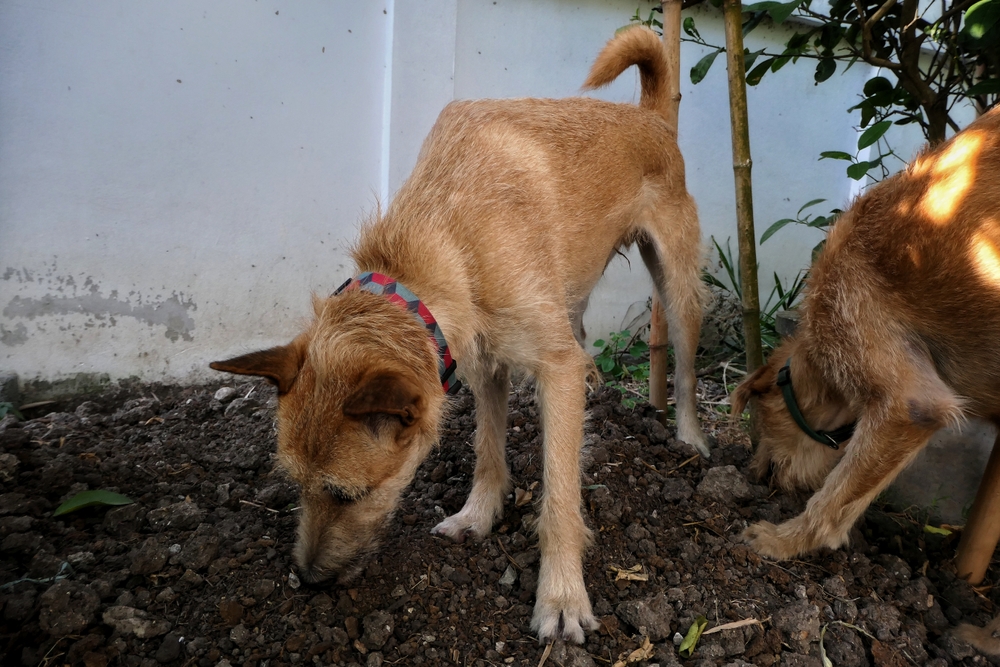
Dogs stuff their mouths with socks, rocks, dirt, and worse because of several overlapping reasons rooted in their biology and behavior.
Puppies explore the world through their mouths just like human infants do. As dogs age, this exploratory chewing usually decreases, but some adult dogs never fully outgrow the behavior. Boredom and lack of exercise drive many dogs to chew inappropriate objects. A dog with pent-up energy may destroy socks or eat dirt simply because the behavior provides mental stimulation and entertainment.
Nutritional deficiencies can trigger pica, the compulsive eating of non-food items. Dogs lacking adequate minerals, vitamins, or fiber sometimes consume dirt, rocks, or plants to compensate. Medical conditions including gastrointestinal disease, parasites, or anxiety disorders also increase the likelihood of inappropriate eating. Dogs with separation anxiety or stress-related conditions often target household items like socks when their owners leave.
Texture and smell matter too. Socks smell like their owners, which can be comforting to dogs. Dirt and grass appeal to dogs seeking natural textures and scents. Some dogs simply enjoy the sensation of chewing or the taste of certain materials.
The danger varies significantly. Socks can lodge in the intestines and require surgical removal. Rocks cause broken teeth or intestinal blockages. Dirt consumption rarely causes problems but occasionally introduces parasites or toxins. Plastic ingestion carries serious blockage risk.
Prevention starts with removing temptation. Keep socks in drawers, not on floors. Provide appropriate chew toys like rubber Kongs or rope toys. Exercise your dog daily through walks and play. Boredom reduction often stops the behavior immediately.
If your dog obsessively eats non-food items, consult your veterinarian. Blood tests can identify nutritional def