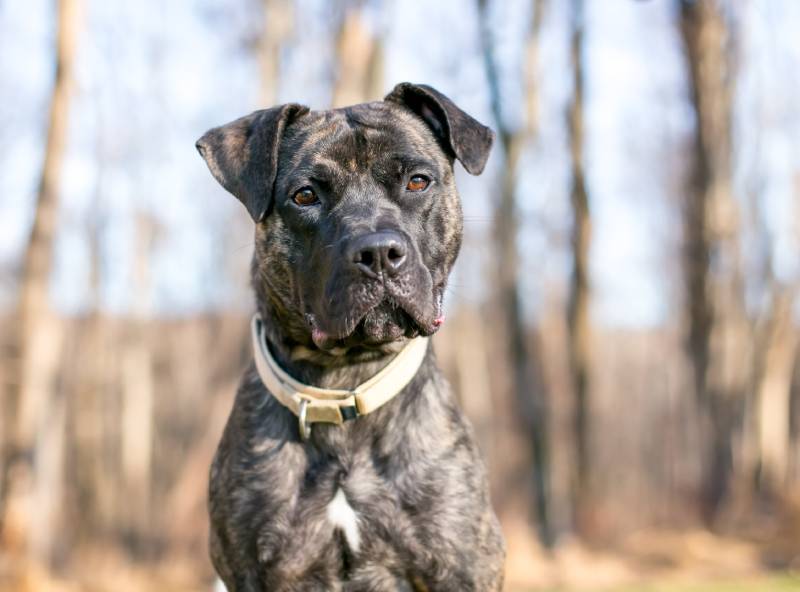
# Pit Bulls, Unbanned: How One County Is Putting An End to Unreliable Breed-Specific Legislation
One county is dismantling breed-specific legislation that has unfairly targeted pit bulls for decades. The move addresses a fundamental problem: the "pit bull" label itself is unreliable.
Shelters, landlords, insurance companies, and even strangers frequently misidentify dogs as pit bulls. These misidentifications carry real consequences. Dogs labeled pit bulls face housing discrimination, insurance denial, and even euthanasia in jurisdictions with breed bans. The problem runs deeper than simple mistakes. Statistically, visual identification of pit bulls proves significantly inaccurate, with studies showing shelter workers and the public often confuse other breeds with pit bulls.
The county's decision to eliminate breed-specific legislation reflects growing scientific consensus. Dog behavior depends far more on individual temperament, training, and socialization than breed. Veterinarians and animal behavior experts have consistently found that pit bull-type dogs show no inherent aggression compared to other breeds when raised responsibly.
Breed-specific laws target dogs based on appearance alone, not behavior. A dog labeled a pit bull might actually be a mixed breed with only partial pit bull ancestry or no pit bull genetics whatsoever. These laws punish dogs and owners based on faulty visual identification rather than actual risk assessment.
The county's shift toward behavioral evaluation instead of breed identification offers a more just approach. Under this model, any dog displaying dangerous behavior receives appropriate intervention regardless of breed. Dogs with good temperaments and clean behavioral records face no restrictions, even if they appear to be pit bulls.
This change matters for countless dog owners currently trapped in housing situations where landlords reject their pets based on breed labels. Insurance companies can now underwrite policies based on individual animal behavior rather than blanket breed exclusions.
The decision also