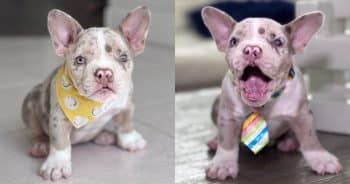
A young puppy named Telly lost an eye but gained a second chance at life when a loving family decided to adopt him. The puppy's injury didn't diminish his spirit or his ability to bond with people who saw past his physical difference.
Telly's story highlights an important reality for pet owners considering adoption. Dogs with disabilities or physical differences adapt remarkably well to life with caring families. A missing eye doesn't affect a dog's ability to play, learn, love, or thrive in a home environment. Puppies like Telly navigate their world using their other senses, memory, and the spatial awareness they develop naturally over time.
The adoption journey sends a powerful message to potential adopters. Shelters and rescue organizations regularly care for animals with medical histories or visible differences. These dogs often make exceptional companions precisely because they bond deeply with families willing to give them homes. Telly's case demonstrates that visible impairments should never be a barrier to finding a permanent family.
For prospective adopters, welcoming a dog like Telly requires minimal adjustment. Veterinarians confirm that one-eyed dogs perform all normal activities without special accommodations. They run, play fetch, climb stairs, and interact with other pets just as other dogs do. The eye socket heals properly after removal, and dogs quickly compensate using their remaining eye and other senses.
Telly's adoption serves as inspiration for families looking for a loyal companion. Whether a dog has one eye, three legs, or other health challenges, the capacity for love and joy remains unchanged. Shelters across the country have countless animals like Telly waiting for families brave enough to look beyond appearances. His story reminds us that the most rewarding adoptions often come from giving a second chance to an animal that needs one most.