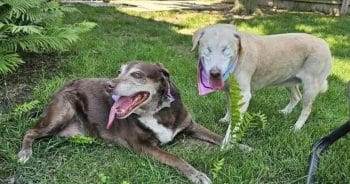
A blind Labrador Retriever currently living in a shelter relies on her sister for guidance and emotional support. The two dogs have developed a deep bond, with the sighted sister serving as a guide and companion for the blind lab. Shelter staff recognize that separating them would cause distress to both animals.
The shelter is actively seeking a home willing to adopt both dogs together. This dual adoption requirement reflects the dogs' interdependence. The blind lab navigates her world with help from her sister, who acts as her eyes and provides comfort during stressful situations.
Adopters interested in these two Labs should understand what caring for a blind dog entails. Blind dogs adapt well to home environments when their surroundings remain consistent. They rely on their other senses, especially smell and hearing, to move through spaces safely. Having a companion dog in the home significantly eases this transition.
The blind lab's sister plays a therapeutic role beyond simple physical guidance. Dogs that live with behavioral or sensory challenges often show reduced anxiety when paired with trusted companions. The sister's presence helps the blind lab feel secure during vet visits, car rides, and other situations that might otherwise trigger fear.
Potential adopters should prepare their homes with safety in mind. Removing obstacles, keeping furniture placement consistent, and using sound cues help blind dogs navigate successfully. The presence of the sighted sister will naturally support this adjustment process.
Labs thrive in active households with regular exercise and mental stimulation. Both dogs would benefit from patient owners who understand their special needs. The shelter can provide guidance on managing a multi-dog household with a blind pet.
If you're interested in adopting these two Labs, contact the shelter directly for more information about their personalities, medical history, and specific care requirements. These bonded sisters deserve a home that recognizes their special connection.