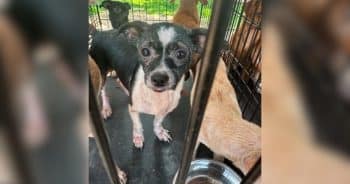
Authorities rescued 244 dogs from a suspected backyard breeding operation in Kentucky. The dogs were seized from conditions that animal welfare officials described as inadequate and inhumane.
Backyard breeding operations prioritize profit over animal welfare. Dogs in these settings often lack proper veterinary care, adequate nutrition, clean housing, and socialization. Breeding animals face repeated pregnancies without recovery time between litters. Puppies born in these conditions frequently suffer from genetic diseases, parasites, and behavioral problems that emerge after families bring them home.
The rescue in Kentucky represents one of the larger seizures of dogs from such operations. Animal control and rescue organizations worked together to remove all 244 dogs safely. Each animal required immediate veterinary assessment to determine health status and treatment needs.
Dogs rescued from backyard breeding operations typically need extensive medical care. Common issues include ear infections, skin conditions, parasitic infestations, and dental disease. Many require behavioral rehabilitation to adjust to normal home environments after spending their entire lives in confined, unstimulating spaces.
Rescue organizations now face the challenge of finding homes for the 244 dogs. Many will need foster care during recovery and rehabilitation. Adoption will proceed once each dog completes medical treatment and behavioral assessment.
This seizure underscores why potential dog owners should research breeders carefully before purchasing puppies. Responsible breeders maintain health records, allow facility visits, and limit breeding frequency. Adopting from shelters and legitimate rescue organizations protects both dogs and families from the cycle of backyard breeding.
The Kentucky case also highlights the importance of reporting suspected illegal breeding operations to local animal control. Tips from community members often lead authorities to situations where dogs desperately need intervention.