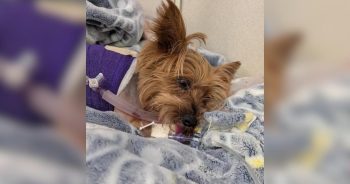
A tiny Yorkshire Terrier has survived an alligator attack in what veterinarians describe as a remarkable recovery story. The small dog sustained severe injuries during the encounter but received emergency care that saved its life.
The Yorkie's owner rushed the injured pet to an emergency veterinary clinic following the attack. Veterinarians assessed multiple bite wounds and lacerations typical of predator encounters. The team stabilized the dog's condition, addressed infections, and began wound management protocols.
Yorkshire Terriers weigh between 4 and 7 pounds, making them among the smallest dog breeds. This size disadvantage made the alligator attack particularly life-threatening. The dog's survival depended on quick owner response and skilled emergency veterinary intervention.
Recovery from predator attacks involves several phases. Initial emergency care focuses on stopping bleeding, preventing shock, and treating open wounds. Follow-up care includes pain management, antibiotics to prevent infection, and monitoring for complications like sepsis. Physical rehabilitation helps restore mobility and function as tissues heal.
The veterinary team managing this case will monitor the Yorkie closely for weeks. Bite wounds from large reptiles carry high infection risk because alligator mouths harbor numerous bacteria. Even after visible wounds close, internal damage may require ongoing assessment.
This incident highlights dangers that small dogs face near bodies of water in alligator habitat, particularly in Florida and other southeastern states. Pet owners should keep small dogs away from ponds, lakes, and swampy areas where alligators live. Supervision matters even in residential yards near water.
The Yorkie's case demonstrates how emergency veterinary care and owner vigilance combine to produce positive outcomes from seemingly unsurvivable injuries. As the small dog continues its recovery journey, the case offers hope to other pet owners facing similar crises while underscoring the importance of wildlife awareness and pet safety precautions.