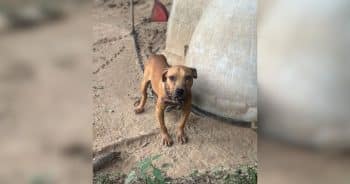
A single 911 call led authorities to rescue 15 severely malnourished dogs from a suspected dogfighting operation. The dogs arrived at the facility in critical condition, with visible signs of abuse and neglect.
Responding officers discovered the animals confined in poor conditions with inadequate food, water, and veterinary care. Each dog showed physical markers consistent with fighting activity, including scars and injuries requiring immediate medical attention.
Local animal control and law enforcement coordinated the rescue, transporting all 15 dogs to a veterinary facility for emergency evaluation and treatment. The animals received comprehensive medical care addressing malnutrition, dehydration, and trauma-related injuries.
Dogfighting remains a serious felony in all 50 states and the District of Columbia. The operation causes immense suffering to animals forced into violent confrontations. Rescue cases like this one highlight the brutal reality of animal exploitation networks that operate across communities.
The rescued dogs now begin recovery and rehabilitation through dedicated animal rescue organizations. Many will require extended veterinary care and behavioral rehabilitation before adoption becomes possible. Trained professionals work to help these animals overcome the psychological trauma of their previous circumstances.
Law enforcement continues investigating the suspected operation. Anyone witnessing signs of dogfighting, including dogs with fight-related injuries, unusual collections of muscular dogs in poor conditions, or spectators gathering at properties, should contact local animal control or law enforcement immediately.
The dogs' rescue underscores the importance of community vigilance. Ordinary citizens calling 911 with concerns about animal welfare create lifelines for abused animals. Each report gives authorities the information needed to intervene and stop ongoing abuse.
The case also demonstrates how coordinated responses between animal control, law enforcement, and veterinary professionals maximize survival rates and recovery outcomes for seized animals. The 15 dogs owe their lives to someone's decision to report suspected abuse rather than ignore it.