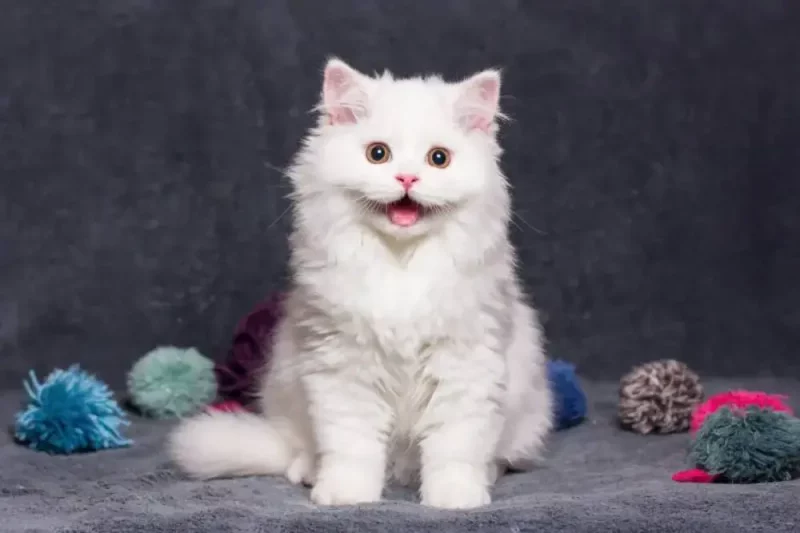
Cats communicate their emotional state through body language, and learning to read these signals helps owners provide better care for their feline companions.
A happy cat displays several telltale signs. Slow blinks directed at you indicate affection and trust, cat behaviorists say. Cats that blink slowly at their owners are essentially giving feline kisses. A relaxed tail held upright with a slight hook at the tip shows contentment. Ears positioned forward and alert suggest a cat feels safe and engaged with their environment.
Purring remains one of the most recognizable happiness indicators, though cats purr for other reasons too, including self-soothing when stressed or ill. Combine purring with other positive signals like head bunting (rubbing their head on you) and slow blinks to confirm genuine contentment.
Happy cats seek out their owners for interaction. They may knead with their paws, a leftover behavior from kittenhood that signals relaxation and comfort. Some cats perform the "loaf" position, tucking their paws beneath their body while sitting, which indicates a calm, content state.
Environmental enrichment matters for feline happiness. Cats need vertical spaces to climb, interactive toys to hunt, and quiet areas to retreat. Regular play sessions prevent boredom and behavioral problems. A varied diet and consistent routine also contribute to wellbeing.
Warning signs of an unhappy cat include flattened ears, a tucked or thrashing tail, reduced appetite, excessive hiding, or decreased grooming. These behaviors warrant a veterinary check to rule out illness or pain.
Every cat has a unique personality. Some naturally show more affection than others. Understanding your individual cat's baseline behavior helps you spot changes that might indicate problems. Pay attention to your cat's preferences for play style, petting intensity, and alone time.
Regularly observing these signals strengthens your bond and