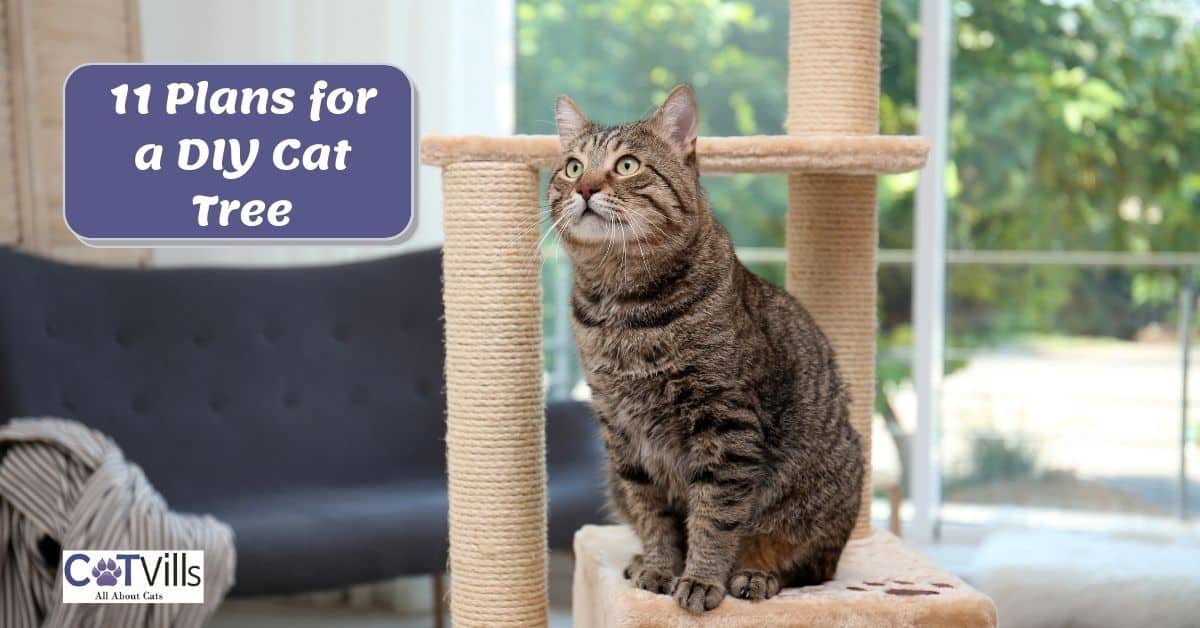
Building a cat tree at home gives your feline companion enrichment while letting you customize the structure to fit your space and budget. DIY cat trees range from simple scratching posts to elaborate multi-level designs that incorporate climbing platforms, hiding spots, and perches.
Cats need vertical space to feel secure and exercise their natural climbing instincts. A homemade cat tree addresses these needs while often costing less than commercial options. You control the materials, ensuring safety by using non-toxic wood, rope, and fabric. Many designs use carpet, sisal rope, or corrugated cardboard for scratching surfaces that satisfy your cat's need to claw and mark territory.
Simple projects suit beginners. A basic design stacks wooden boxes or platforms and wraps them with carpet or rope. More advanced builders create multi-story structures with tunnels, perches at various heights, and enclosed cubbies where cats retreat. Some designs incorporate natural branches or driftwood for an organic aesthetic.
Before starting, measure your available floor space and ceiling height. Consider your cat's age and mobility. Senior cats benefit from lower platforms, while young, athletic cats enjoy tall structures with multiple climbing routes. Plan for at least one hiding spot, as cats instinctively seek enclosed spaces for security.
Common materials include plywood, 2x4 lumber, sisal rope, carpet remnants, and PVC pipe. Hardware stores carry everything needed. Assembly typically requires basic carpentry skills and tools like a saw, drill, and staple gun.
Placement matters. Position the cat tree near a window so your cat can observe outdoor activity, or place it in a quiet corner for rest. Ensure the structure feels stable. Wobbly trees discourage use and pose safety risks.
Building a DIY cat tree strengthens your bond with your pet while providing essential environmental enrichment. Your cat gets a personalized playground tail