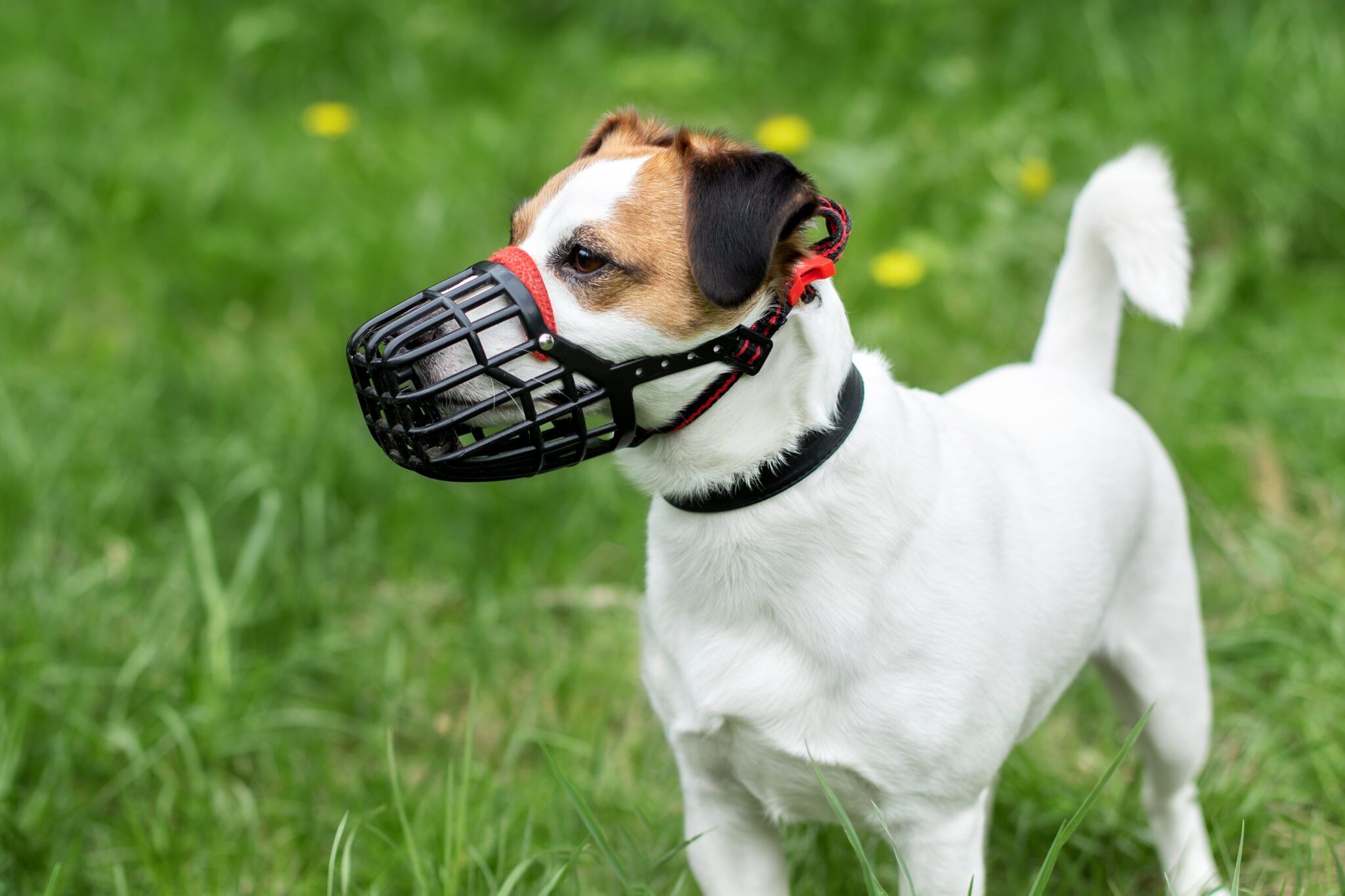
Dogs experience stress and pain in unexpected situations. Even friendly dogs bite when frightened or injured. Training your dog to accept a muzzle provides essential safety protection for veterinary visits, grooming appointments, and emergency care.
Muzzle training works best when introduced gradually and positively. Start by letting your dog investigate the muzzle as an object. Reward curiosity with treats. Next, hold the muzzle near your dog's face without putting it on, continuing the reward pattern. Gradually introduce brief periods where your dog wears the muzzle for seconds, then minutes, always pairing the experience with high-value treats and praise.
The best training muzzles allow dogs to pant, drink water, and take treats while wearing them. Basket-style muzzles work better for this than flat nylon designs. Basket muzzles give dogs room to breathe naturally and cool themselves through panting, which matters during warm weather or stressful vet visits.
Size matters significantly. A muzzle that fits too tightly causes discomfort and resistance. Measure your dog's snout circumference and length before purchasing. Most quality muzzles come in multiple sizes and adjust with straps.
Start muzzle training at home in a calm environment. Let your dog wear the muzzle while playing, eating, or going on short walks. Never use the muzzle as punishment. Dogs learn to associate it with good things, not negative consequences. Training sessions should last only 5-10 minutes to keep things positive.
Professional trainers recommend beginning muzzle conditioning early, even for puppies. Young dogs adapt more readily to new equipment. Adult dogs benefit from patience and consistency during training. Most dogs learn to accept a muzzle within two to four weeks of regular practice.
Muzzle training isn't about restraint or punishment. It's about safety