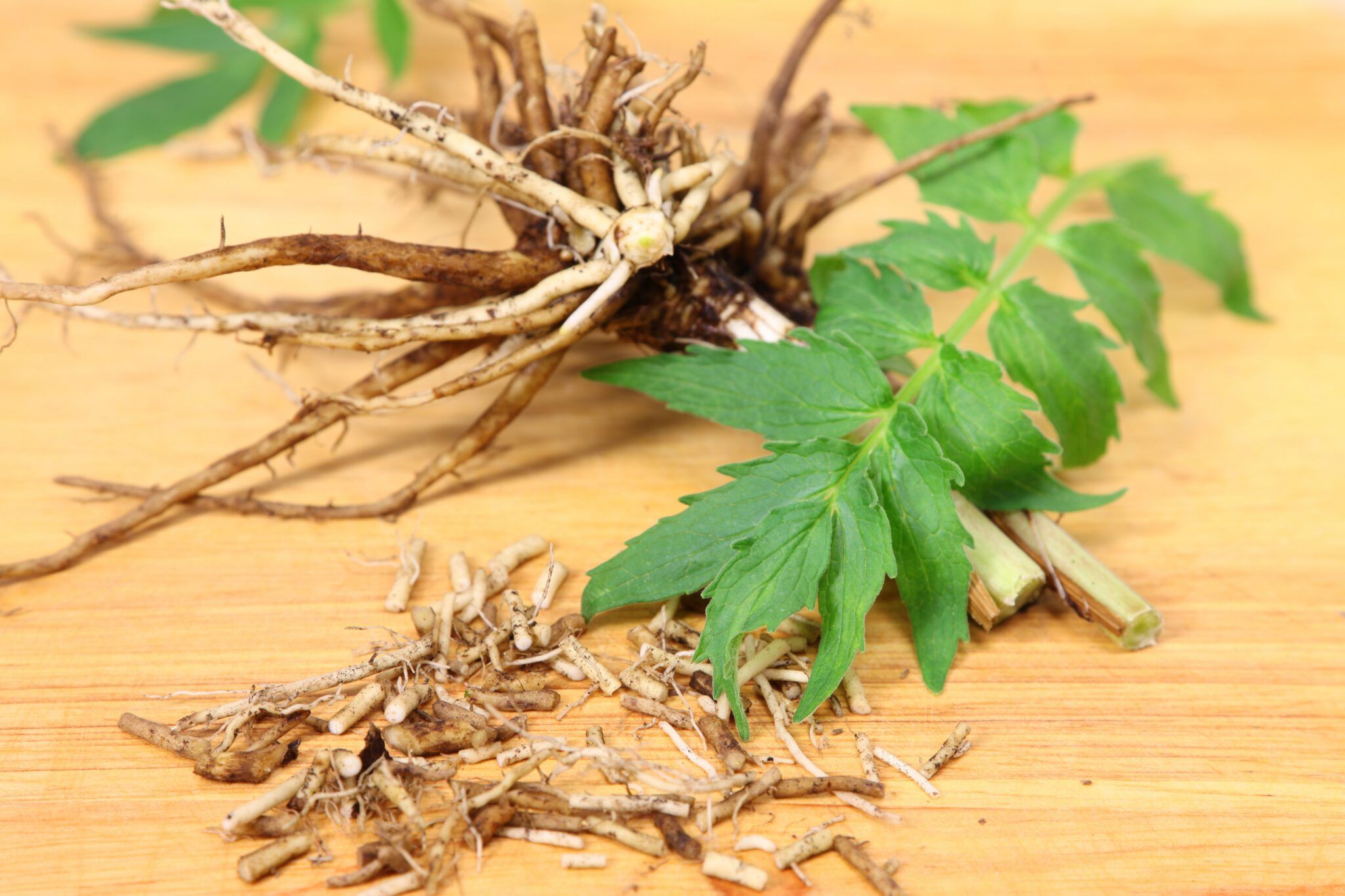
Valerian root, the dried root of Valeriana officinalis, comes from a flowering perennial herb native to Europe and Asia. Pet owners considering this supplement for their dogs should understand both its potential benefits and practical considerations.
The valerian plant's root contains naturally occurring compounds that researchers believe work on the nervous system to produce calming effects. This property has made valerian a subject of interest for dog owners seeking natural alternatives for anxiety management, stress relief, and behavioral issues. The herb's traditional use in human medicine spans centuries, which has prompted its application in veterinary settings.
However, valerian presents a notable challenge: its distinctive odor. The root smells intensely pungent, often compared to old sweat socks or aged cheese. This powerful scent can make administration difficult. Dogs with sensitive noses may refuse food or treats containing valerian powder, and some pet owners report their dogs rejecting meals altogether when the supplement is added.
Before giving valerian root to a dog, owners should consult with their veterinarian. While valerian appears relatively safe for canine use, individual dogs may respond differently. Vets can determine appropriate dosages, identify potential interactions with other medications, and rule out underlying medical conditions that might require different treatment approaches.
Pet owners should source valerian from reputable suppliers to ensure quality and purity. Products marketed for dogs may include valerian in combination with other calming herbs like passionflower or chamomile.
Dogs with liver disease, pregnant or nursing dogs, and those taking sedatives or anti-anxiety medications require veterinary oversight before valerian use. Some dogs may experience drowsiness, digestive upset, or headaches.
Valerian root represents one option among several natural calming approaches for dogs, alongside techniques like behavioral modification, increased exercise, and environmental enrichment. For dogs struggling with anxiety or stress, a veterinarian can help determine