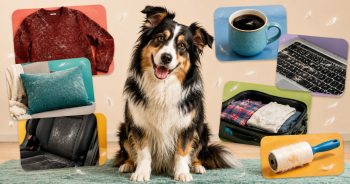
Dog hair ends up everywhere in households with canine companions, and pet owners know the struggle well. Understanding where shedding concentrates most heavily helps you tackle the problem strategically.
Dogs shed hair in predictable locations throughout your home. Furniture tops the list, particularly couches and beds where dogs rest. Hair embeds itself deep into fabric fibers, making removal challenging. Your dog's sleeping area accumulates the heaviest shedding, as loose coat naturally falls out during rest periods.
Clothing becomes an unexpected collection point. Dog hair sticks to pants, shirts, and jackets through direct contact during petting and play. Lint rollers become essential tools for pet owners heading outside.
Kitchen surfaces surprise many dog owners. Hair travels via air currents from shedding and settles on countertops, tables, and appliances. Your refrigerator attracts hair through static electricity and air circulation from the cooling system.
Bathroom spaces harbor surprising amounts of dog hair. Shower walls and bathroom rugs collect shed coat particles. Some hair even travels into ventilation systems through air movement.
Controlling excessive shedding starts with regular brushing. Daily grooming removes loose hair before it falls out naturally. Deshedding tools like the FURminator and Undercoat Rake work effectively for double-coated breeds.
Bathing your dog monthly with quality shampoo loosens dead hair. Professional groomers offer deshedding treatments that reduce shedding by up to 90 percent for weeks afterward.
Air purifiers with HEPA filters capture airborne dog hair before it settles on surfaces. Running these devices regularly decreases overall household shedding noticeably.
Lint rollers, pet hair vacuum brushes, and rubber brooms address hair that already settled. Lint rollers work best on clothing. Rubber brooms effectively collect hair from hard