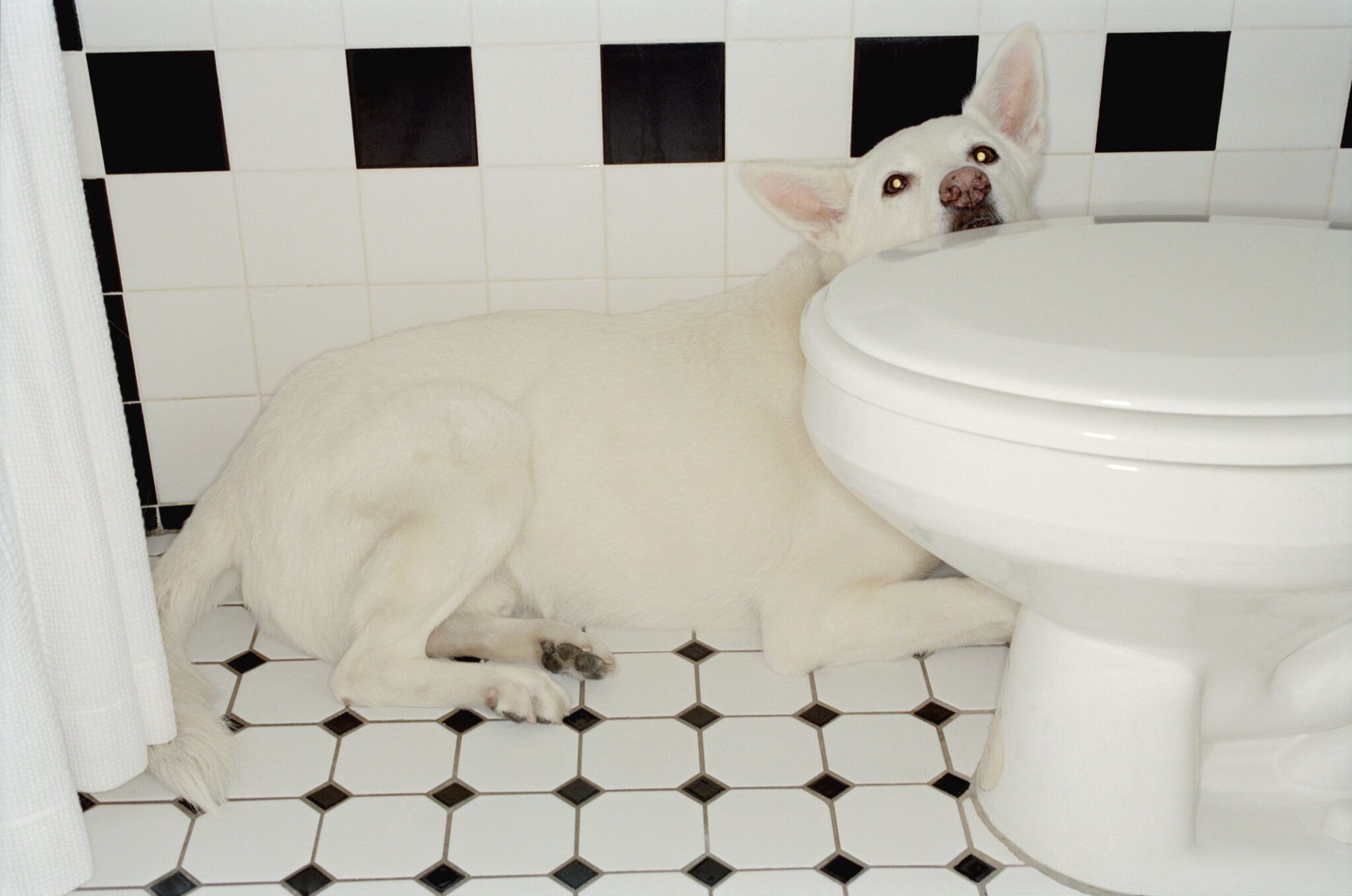
Many dogs respond to thunderstorms with visible fear. They hide under beds, seek shelter in bathrooms, or cower in corners when thunder rumbles. This behavior troubles pet owners who want to comfort their anxious companions.
Dogs experience genuine fear during storms for several biological reasons. Their hearing sensitivity exceeds human capability, making thunder sound louder and more threatening to their ears. The sudden noise startles their nervous system. Additionally, dogs detect barometric pressure changes that precede storms. They sense the shift in air pressure before the first rumble reaches human ears, triggering anxiety before the storm even begins.
Some dogs also react to static electricity buildup. During thunderstorms, static charges accumulate in the atmosphere and can create uncomfortable sensations on a dog's fur and skin. These physical sensations combine with loud noises to create an overwhelming sensory experience.
Genetic predisposition plays a role too. Some dog breeds show higher rates of storm anxiety than others. Rescues and dogs with trauma histories may develop heightened storm phobia. Once a dog associates thunderstorms with discomfort, the anxiety can intensify with each storm.
Pet owners can help their dogs manage storm anxiety. Creating a safe space where your dog feels secure reduces panic. This might be an interior room without windows, a basement, or a crate covered with blankets to muffle sound. Keeping curtains closed blocks the disorienting flashes of lightning.
Desensitization works for some dogs. Playing thunder sounds at low volumes during calm weather, gradually increasing the sound over weeks, can reduce the startle response. Reward calm behavior with treats and praise.
Some owners find anxiety wraps or Thundershirts helpful. These snug garments apply gentle pressure that may calm anxious dogs. Others use pheromone diffusers or calming supplements before storm season.
For severe cases, consult your