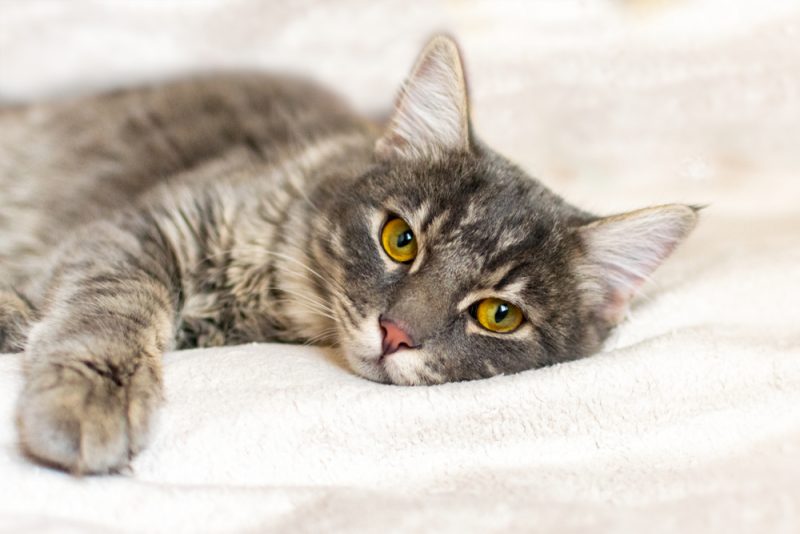
Veterinarians report that cat owners frequently overlook subtle signs of illness in their pets, leading to delayed diagnosis and treatment.
Cats hide illness remarkably well, a survival instinct that makes early detection challenging for owners. Vets emphasize that behavioral changes offer the first clue something is wrong. A cat that suddenly becomes withdrawn, avoids interaction, or stops grooming its coat needs immediate attention. These shifts seem minor but represent significant departures from normal feline behavior.
Changes in eating and drinking patterns rank high on veterinarian watchlists. Owners often miss decreased appetite or increased water consumption because cats eat independently and don't announce their habits loudly. Weight loss develops gradually and can go unnoticed for months. Pay attention if your cat visits the food bowl less frequently or shows disinterest in favorite treats.
Litter box behavior changes signal serious problems. Cats urinating outside the box, straining during elimination, or using the bathroom more frequently need veterinary evaluation immediately. These symptoms indicate urinary tract infections, kidney disease, or diabetes. Veterinarians stress that owners should monitor their cat's bathroom habits just as carefully as they monitor eating.
Vocalization changes matter too. A normally quiet cat that becomes excessively vocal, or a talkative cat that goes silent, indicates distress. Lethargy and excessive sleeping beyond the normal 12 to 16 hours daily cats require suggest illness.
Respiratory issues present obvious warning signs owners should never ignore. Coughing, sneezing, or labored breathing demand immediate veterinary care. Vomiting differs from hairballs. Frequent vomiting warrants professional evaluation.
Regular physical checks help catch problems early. Feel your cat's body for lumps or bumps. Check the ears for discharge or odor. Examine the mouth for dental disease or sores.
Veterinarians