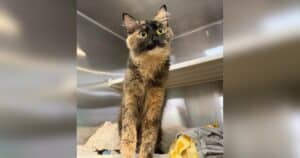
A shy shelter cat named Buttercup spent her first weeks hiding beneath a bed, too frightened to interact with people or explore her surroundings. The orange tabby arrived at the shelter with severe anxiety, refusing to leave her safe space even when staff members attempted gentle encouragement.
Her situation changed when a dedicated foster volunteer brought her into a quiet home environment. Away from the overwhelming noise and activity of the shelter, Buttercup gradually began to trust her new caregiver. The volunteer spent patient hours sitting near the bed, speaking softly and allowing the cat to approach at her own pace.
Within days, Buttercup started venturing out from under the bed for short periods. She discovered toys, window perches, and the comfort of being petted without fear. The foster parent noted that the cat's personality bloomed once she realized she was safe. Buttercup began purring, playing, and seeking affection on her own terms.
This transformation demonstrates how shelter cats with anxiety respond to low-stress environments and patient handling. Many fearful cats struggle in shelters due to noise, unfamiliar people, and confined spaces. Foster programs provide crucial alternative housing that helps these animals decompress and show their true personalities to potential adopters.
Buttercup's story ended positively when her foster volunteer decided to make the arrangement permanent. The cat who once refused to leave her hiding spot now sleeps on her adoptive parent's lap and greets visitors at the door.
Shelters and rescue organizations increasingly recognize that shy, anxious cats often need foster care to find permanent homes. Buttercup's journey shows that with time, safety, and genuine affection, even the most frightened cats learn to love and be loved in return.