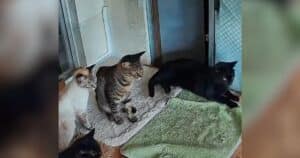
Pet camera footage from Japan has captured cats displaying unusual behavior seconds before a recent earthquake struck the region. Multiple households recorded their felines exhibiting signs of distress, restlessness, and erratic movement just moments before seismic activity began.
The recordings show cats freezing in place, ears flattening, and sudden directional changes toward exits or safe spaces. Some animals paced nervously or vocalized before the tremor hit. These reactions occurred between 10 and 30 seconds before residents felt any shaking, suggesting cats detected seismic precursors invisible to human sensors.
Scientists have long theorized that animals possess sensory abilities allowing them to perceive earthquakes before humans do. Cats may detect subtle vibrations, pressure changes, or electromagnetic shifts in the Earth's crust that precede major seismic events. Their acute hearing, sensitive whiskers, and keen awareness of environmental changes position them as natural early-warning systems.
The pet camera footage provides rare documentation of this phenomenon in real time. Traditional earthquake early-warning systems rely on seismographs and computer algorithms, but animals offer an additional layer of detection. Japan, one of the world's most seismically active countries, has studied animal behavior patterns for decades as a supplementary warning tool alongside official systems.
Pet owners who monitor their cats through home cameras can use behavioral changes as informal indicators of potential seismic activity. Changes include sudden alertness, hiding behavior, vocalization, or attempts to leave the home. However, experts caution that not all animal behavior indicates imminent earthquakes, and official early-warning systems remain the primary source of seismic alerts.
The recent footage reinforces what cat owners have observed anecdotally for generations. Cats possess instincts honed over millennia, allowing them to sense environmental shifts before people do. While pet cameras primarily serve to monitor animal wellness and household security, they now