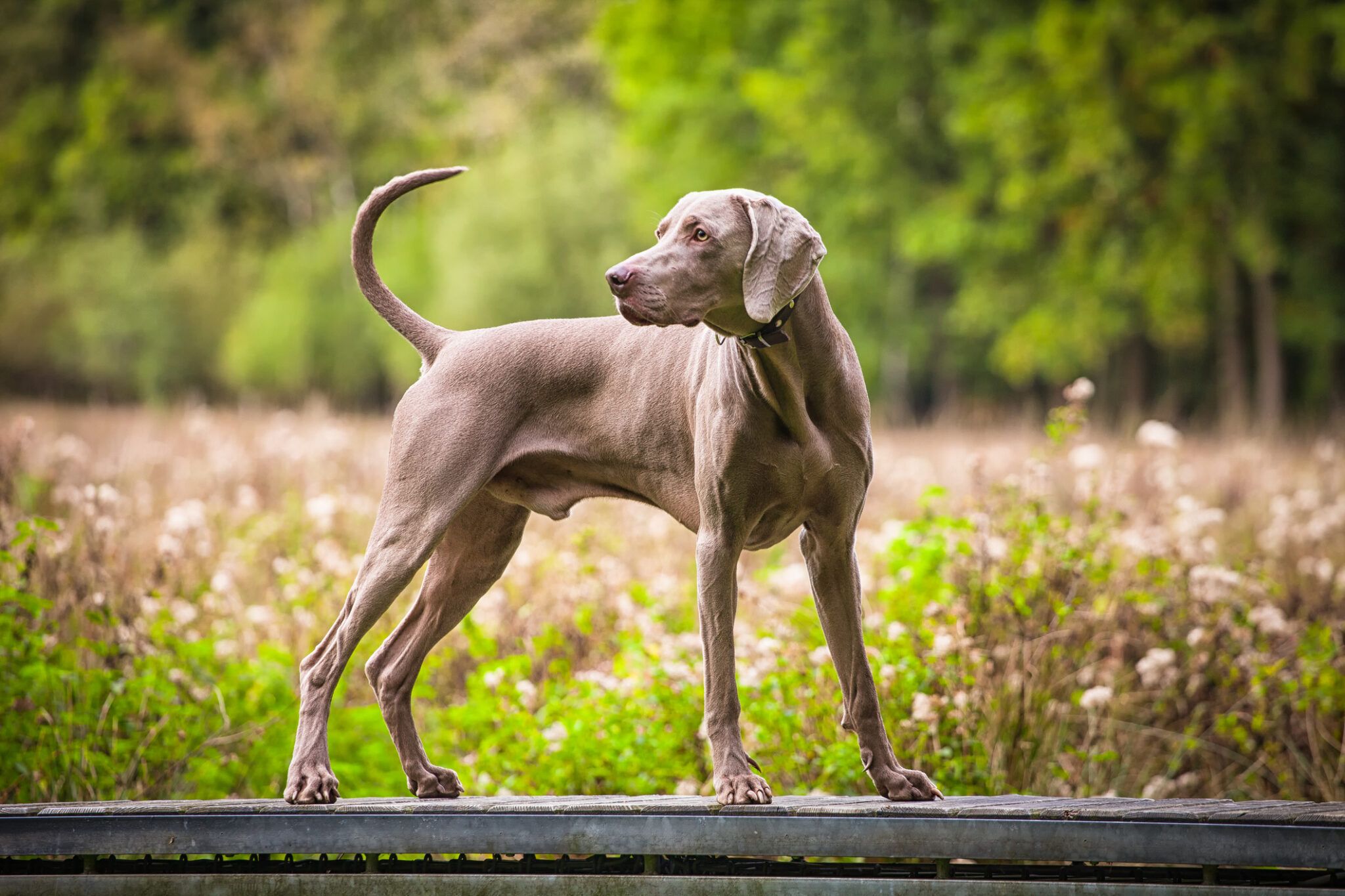
Hypertrophic osteodystrophy (HOD) and panosteitis (pano) are two distinct developmental bone diseases that strike young dogs during their growth phase. Both conditions affect large and giant breed puppies, causing lameness and pain. German Shepherd Dogs face elevated risk for panosteitis specifically. Interestingly, the largest puppies in a litter tend to develop these conditions, with males showing higher occurrence rates than females.
HOD and panosteitis differ in their underlying causes and progression. Panosteitis involves inflammation of the bone marrow and surrounding bone tissues, often affecting the long bones of the legs. The condition typically appears in puppies between five and twelve weeks of age. HOD, by contrast, produces swelling and inflammation of the growth plates and metaphyseal regions of bones. This condition usually emerges slightly later, between six and ten months of age.
Pet owners may notice their puppies limping, reluctant to move, or showing sensitivity when their legs are touched. Some puppies display fever or loss of appetite. Both conditions can cause significant discomfort, though neither is typically life-threatening.
Diagnosis requires veterinary evaluation, often including X-rays to identify bone changes characteristic of each disease. A veterinarian can differentiate between HOD and panosteitis through imaging and clinical examination. Blood work may help rule out other causes of lameness.
Treatment focuses on managing pain and supporting the puppy's growth. Nonsteroidal anti-inflammatory drugs like carprofen reduce inflammation and discomfort. Restricted activity and controlled exercise prevent further injury while bones heal. Nutritional management proves important, though excessive calcium supplementation may worsen HOD, so consult your veterinarian before adding supplements.
Most puppies recover completely as they mature and their growth plates close. However, some dogs experience lingering joint problems