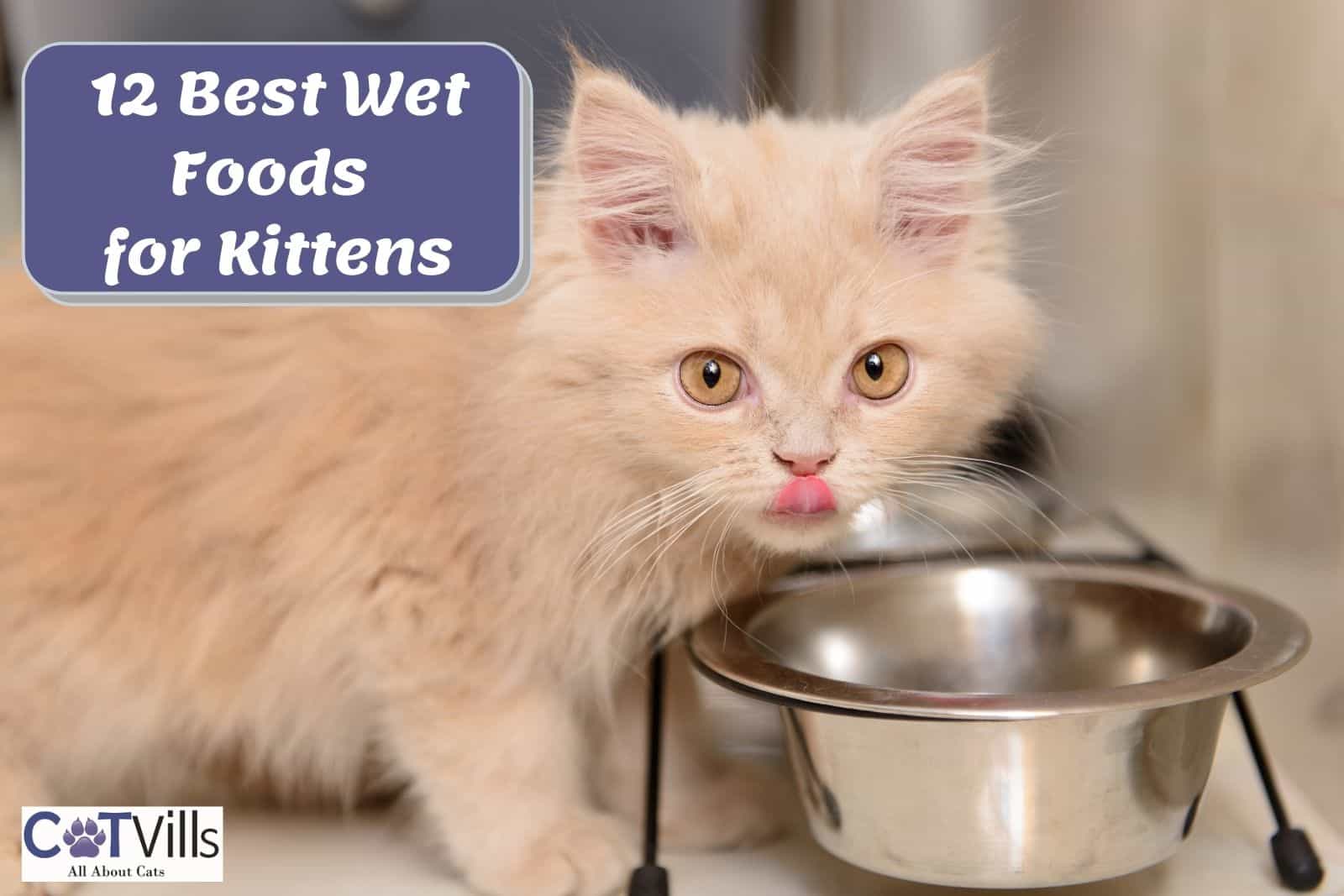
Kittens need proper nutrition during their fastest growth phase, and wet food offers unique advantages that dry kibble cannot match. Wet kitten food supports muscle development, brain function, hydration, and immune system strength when kittens need it most.
The kitten food market creates confusion with vague marketing language. Terms like "natural" and "premium" lack legal definition and often mislead pet owners. Choosing quality wet food requires understanding ingredient labels rather than relying on marketing claims.
Wet food benefits kittens in several ways. The high moisture content keeps young cats properly hydrated, which supports kidney function and urinary health. Wet formulas typically contain higher protein levels than dry kibble, feeding the rapid muscle growth that happens in the first year. The softer texture suits kittens' developing teeth and digestive systems better than hard kibble.
When evaluating wet kitten foods, look for named protein sources listed first on ingredients. "Chicken" beats "poultry meal." Check that the food meets AAFCO (Association of American Feed Control Officials) standards for kitten growth. This certification ensures the formula contains appropriate levels of taurine, an amino acid essential for feline heart and eye health.
Many veterinarians recommend a mix of wet and dry food. Wet food provides hydration and palatability that encourages eating, while some dry kibble can support dental health through chewing action. However, wet food alone is perfectly adequate if your kitten eats consistently.
Introduce new foods gradually over 7-10 days to prevent digestive upset. Mix increasing amounts of the new food with the current food until the transition completes. Some kittens show strong food preferences, so finding a quality option they'll eat matters more than forcing a particular brand.
Price reflects quality ingredients, but expensive doesn't always mean better. Mid-range brands that emphasize