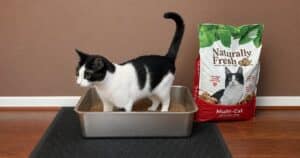
A cat owner with seven felines tested walnut shell litter across nine litter boxes and found it outperformed traditional options. Walnut shell litter, made from ground walnut shells instead of clay or other materials, offers several advantages for multi-cat households.
The litter excels at odor control and clumping performance. Walnut shells absorb moisture effectively while forming tight clumps that make scooping straightforward. This matters for households with multiple cats, where odor management becomes a real challenge. The natural material breaks down urine and feces odors rather than just masking them.
Dust levels rank significantly lower than standard clay litters. This protects both cats and their owners from respiratory irritation during litter box maintenance. Cats that inhale dust particles risk lung inflammation, while owners who scoop daily face cumulative exposure. Walnut shell litter reduces these health concerns.
The litter proves flushable in small amounts, though cat owners should follow local plumbing guidelines before flushing. Walnut shell litter biodegrades naturally, making it environmentally friendlier than clay-based alternatives that sit in landfills for years.
One consideration involves cost. Walnut shell litter typically costs more per pound than conventional clay litters. However, owners report better clumping means less litter needed per scooping cycle, potentially offsetting higher upfront expenses.
Cats generally accept walnut shell litter without hesitation since the texture closely resembles natural sand. The light tan color and fine granules appeal to feline instincts for burying waste.
For households managing multiple cats and litter boxes, walnut shell litter addresses the most persistent complaints about traditional products. Better odor control, lower dust, and easier cleanup make it worth considering even at premium pricing. The environmental benefits add another layer of appeal for consc