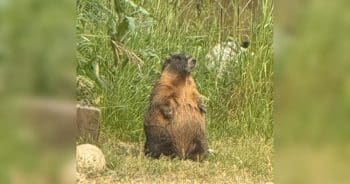
# Fat Marmot Week Celebrates Wildlife and Pet Awareness
Fat Marmot Week brings attention to these stocky rodents and their role in ecosystems across North America. The annual observance encourages wildlife enthusiasts and pet owners to learn about marmots, their behavior, and conservation needs.
Marmots are large ground squirrels found throughout temperate regions. The groundhog, or woodchuck, represents the most recognizable species in North America. These animals hibernate during winter months, emerging in spring to forage and prepare for the colder seasons ahead. Their body condition during late summer and early fall determines survival rates through dormancy.
The "fat" designation reflects the animals' natural biological cycle. Marmots must accumulate substantial body reserves to sustain themselves through months without food or activity. This weight gain isn't unhealthy for the species. It represents evolutionary adaptation to seasonal living.
Wildlife rehabilitation centers use Fat Marmot Week to educate the public about proper marmot care if injured animals are encountered. Rehabilitators stress that wild marmots should never be kept as pets, though some regions allow ownership of domesticated ground squirrels with proper licensing.
For pet owners with captive ground squirrels or prairie dogs, Fat Marmot Week offers a reminder about species-specific nutrition needs. These animals require high-quality hay, fresh vegetables, and limited pellets to maintain healthy weight. Obesity in captive rodents leads to health complications including diabetes and heart disease.
The observance also highlights habitat preservation efforts. Urban expansion continues to reduce marmot populations in many areas. Supporting wildlife conservation organizations helps protect these animals in their natural ranges.
Pet owners curious about marmots can observe them in nature documentaries or visit wildlife sanctuaries during Fat Marmot Week. This celebration reminds us that understanding wild animals strengthens