# Decoding The Cat Loaf: What It Means and When to Worry
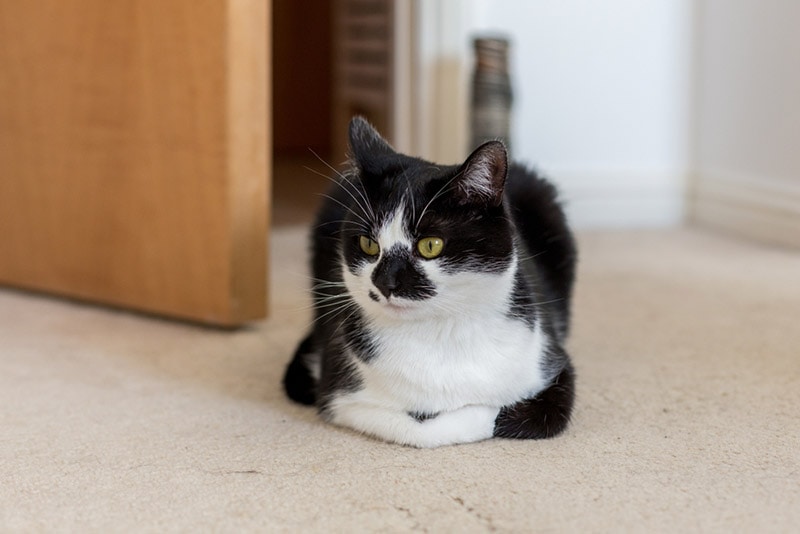
The "cat loaf" is a common resting position where cats tuck their front paws underneath their body and curl their tail around themselves, creating a compact, bread-like shape. Understanding what this posture signals helps cat owners recognize their pet's emotional state and health.
Cats typically adopt the loaf position when they feel content and secure. The tucked paws and curled posture indicate relaxation. A cat in loaf position on your lap or nearby furniture is expressing comfort in their environment. This pose also serves practical purposes. By folding their limbs inward, cats retain body heat and prepare their muscles for quick movement if needed. The loaf remains one of the most natural resting positions for felines throughout the day.
However, the loaf position sometimes signals discomfort or stress. Cats that hold this pose excessively or seem reluctant to stretch out may experience pain in their joints, abdomen, or limbs. Older cats and those with arthritis frequently adopt the loaf to minimize strain on affected areas. If your cat maintains this position constantly, avoids moving, or shows other signs of distress like reduced appetite or letharness, veterinary attention is warranted.
Context matters when interpreting the loaf. A cat lounging in loaf position on a sunny windowsill differs significantly from one hunched in the same pose while hiding under furniture. Environmental clues like tail position, ear placement, and overall body tension provide additional insight.
Monitor your cat's loafing habits alongside other behaviors. Occasional loafing is completely normal. Sudden changes in posture preference, combined with behavioral shifts, warrant a veterinary visit. Your vet can assess whether the loaf reflects contentment or indicates underlying health concerns.
The cat loaf remains one of feline