Managing canine diabetes requires a multi-faceted approach, and diet plays a pivotal role alongside insulin therapy. Whole Dog Journal has published guidance on selecting appropriate nutrition for dogs living with diabetes.
Successful diabetes management in dogs depends on five interconnected factors working in concert. Therapeutic insulin administration remains the foundation of treatment, but mealtimes must stay consistent to help regulate blood sugar levels effectively. Regular exercise supports weight management and metabolic health, while maintaining a healthy body weight reduces insulin resistance and can sometimes lead to remission in newly diagnosed dogs.
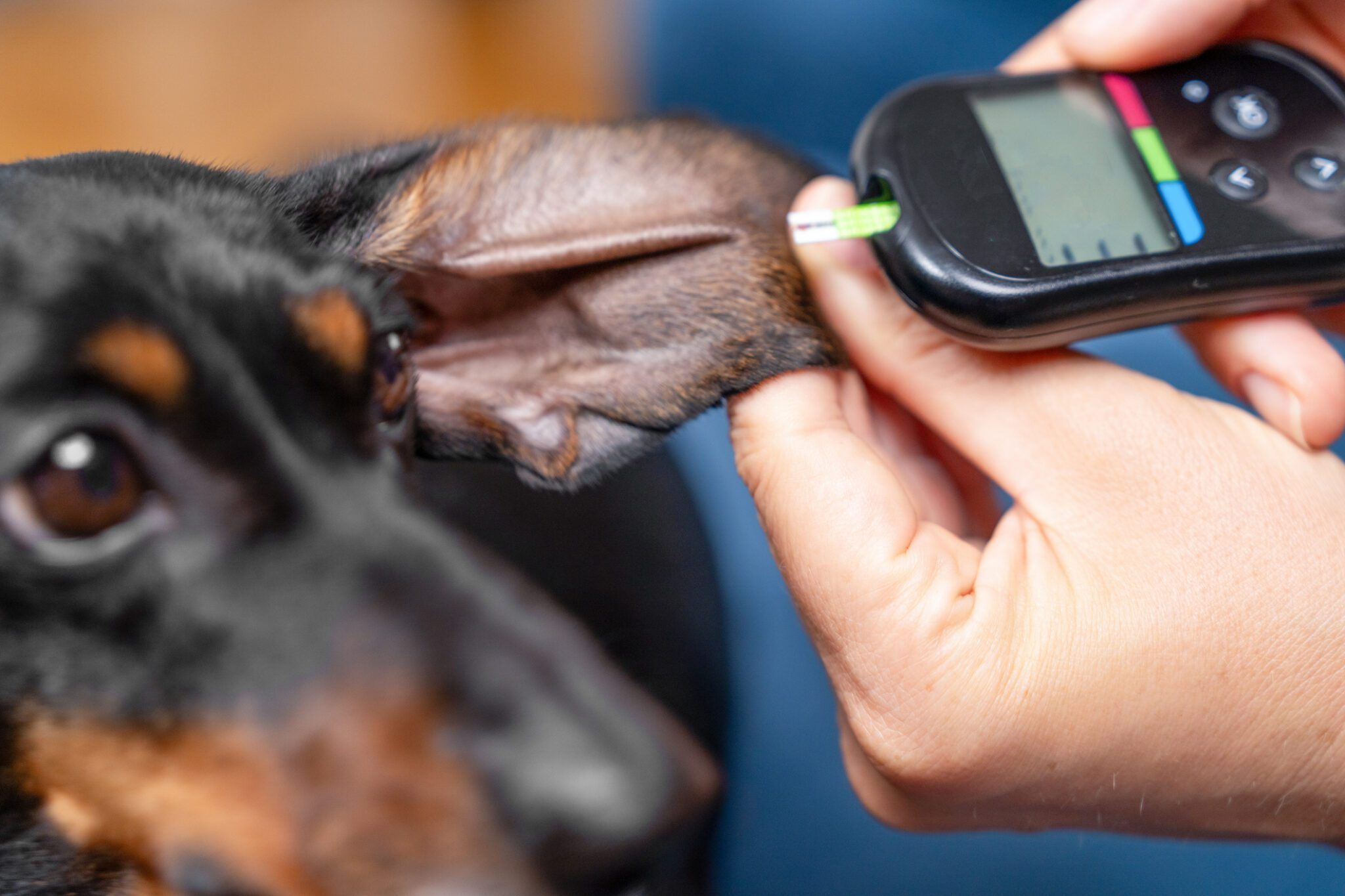
Close veterinary monitoring tracks blood glucose levels and allows vets to adjust insulin doses as needed. Pet owners must also monitor their dogs at home, watching for signs of improvement or complications.
Diet directly impacts blood sugar stability. Diabetic dogs typically thrive on high-protein, low-carbohydrate foods. Most veterinarians recommend prescription diets formulated specifically for diabetic management, though some dogs do well on high-quality commercial foods with appropriate nutritional profiles. The timing of meals relative to insulin injections matters significantly, so establishing a routine helps prevent dangerous blood sugar fluctuations.
Weight management deserves special attention because overweight dogs require more insulin to maintain the same blood glucose control. Even modest weight loss in obese diabetic dogs sometimes eliminates the need for ongoing insulin therapy.
Pet owners should discuss food options with their veterinarian before making changes. Some vets recommend Hill's m/d, Royal Canin Diabetic, or Purina DM as prescription options, though individual dogs respond differently to various formulations. Monitoring your dog's response to dietary changes, tracking weight trends, and maintaining regular vet checkups creates the best foundation for long-term diabetes management and quality of life.