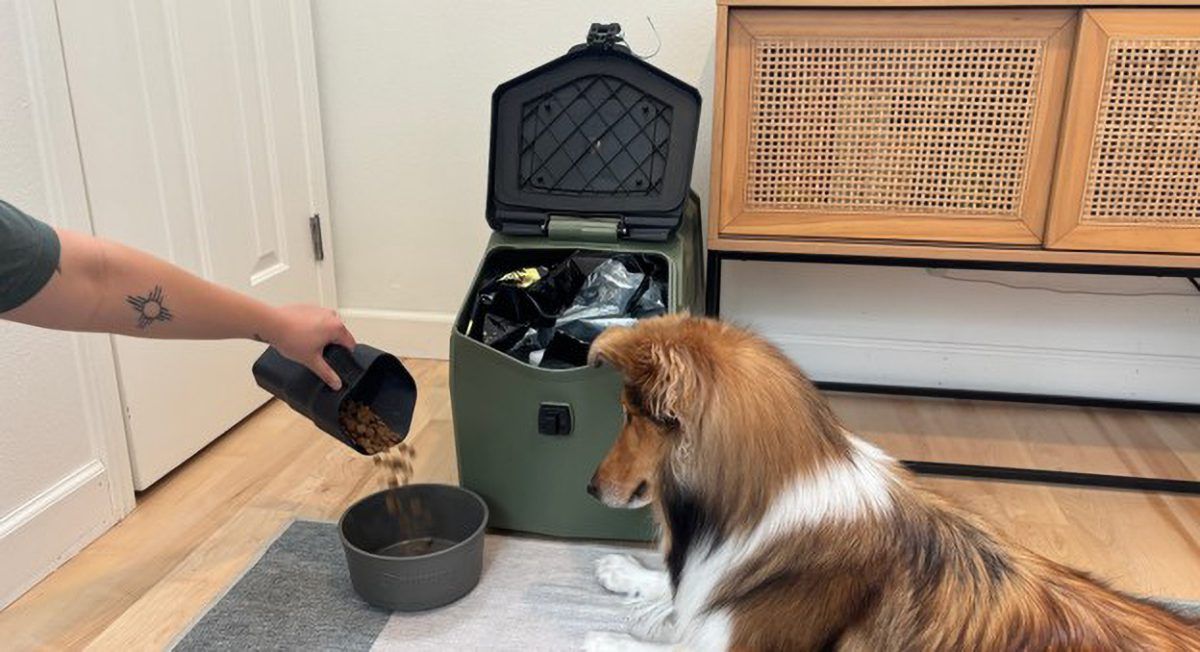
Proper dog food storage keeps kibble fresh, prevents pest contamination, and saves pantry space. The right container makes a real difference for dog owners managing bulk food purchases.
Quality dog food storage containers protect nutrition and longevity. Airtight seals lock out moisture and oxygen that degrade kibble quality over time. Sealed containers also prevent insects and rodents from accessing food. Many pet owners store bags in garages or basements where temperature fluctuations and humidity damage food faster than indoor pantries.
Key features matter when selecting containers. Airtight lids with gasket seals work best. Opaque or dark-colored containers block light exposure that breaks down nutrients and fats in kibble. Durable plastic or metal construction withstands repeated opening and closing. Size flexibility lets owners choose containers matching their dog's consumption rate and pantry space.
Container options range from simple plastic bins to specialized pet food canisters. Basic airtight storage containers cost less but may not fit large kibble bags completely. Purpose-built dog food containers come with measuring cups, pour spouts, and stackable designs. Stainless steel options last longer and resist scratches better than plastic, though they cost more upfront.
Organization also improves with proper storage. Clear containers let owners see food levels at a glance. Labeling containers with dog names, food brands, and expiration dates prevents mix-ups in multi-dog households. Some containers include calendar markers to track opening dates.
Storing opened kibble in sealed containers extends freshness to four weeks beyond opening. Unopened bags last longer in cool, dry locations. Whole Dog Journal recommends replacing containers every few years as seals wear down. Washing containers between refills removes kibble dust and residue that can spoil fresh food.
The investment in quality storage containers pays dividends through reduced food waste and consistent