# What Normal Aging Looks Like in Cats and When You Should Worry
Senior cats undergo predictable changes as they age, but cat owners often struggle to distinguish normal decline from signs of illness. Understanding the difference helps you provide better care and catch health problems early.
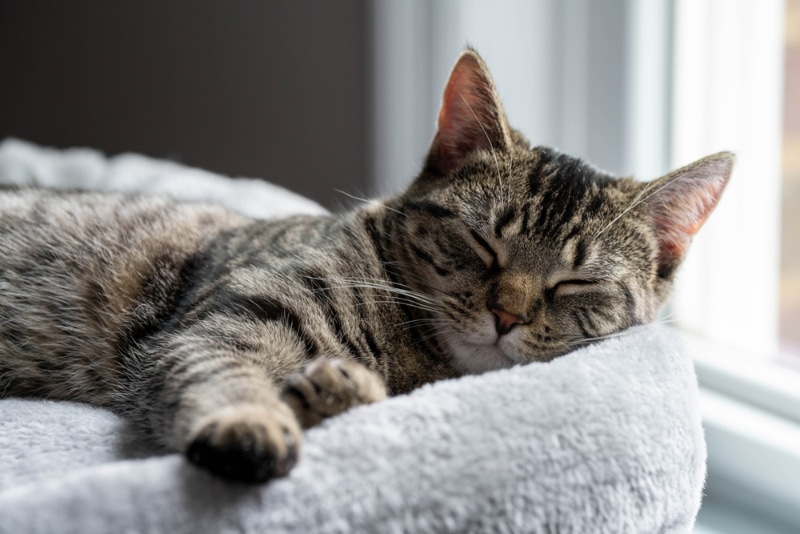
Cats enter their senior years around age 11 to 14. During this phase, expect increased sleeping, which can extend to 16 to 20 hours daily. Senior cats often become less playful and move more slowly. They may jump less frequently, prefer ground-level food bowls, and spend more time in comfortable resting spots.
Weight changes occur naturally in aging cats. Muscle loss becomes common, making older cats appear thinner despite eating normally. Their coat may lose shine and become slightly coarser. Gray hairs often develop around the face and muzzle.
Behavioral shifts happen too. Older cats sometimes become more vocal, cry during the night, or seem confused about familiar routines. They may seek more human attention or, conversely, withdraw from interaction. These adjustments reflect normal cognitive and sensory aging.
However, certain changes warrant veterinary attention. Sudden weight loss, excessive thirst, or increased urination suggest diabetes, kidney disease, or hyperthyroidism. Difficulty using the litter box, straining, or accidents indicate urinary tract issues or arthritis pain. Loss of appetite, vomiting, or diarrhea require evaluation.
Watch for behavioral red flags too. Disorientation that worsens rapidly, inability to recognize family members, or extreme lethargy differ from normal senior slowness. Difficulty grooming, excessive scratching, or hair loss point to skin problems or parasites.
Mobility issues deserve attention as well. While stiffness from arthritis develops gradually, sudden inability to jump or climb stairs suggests pain needing treatment. Cats hiding