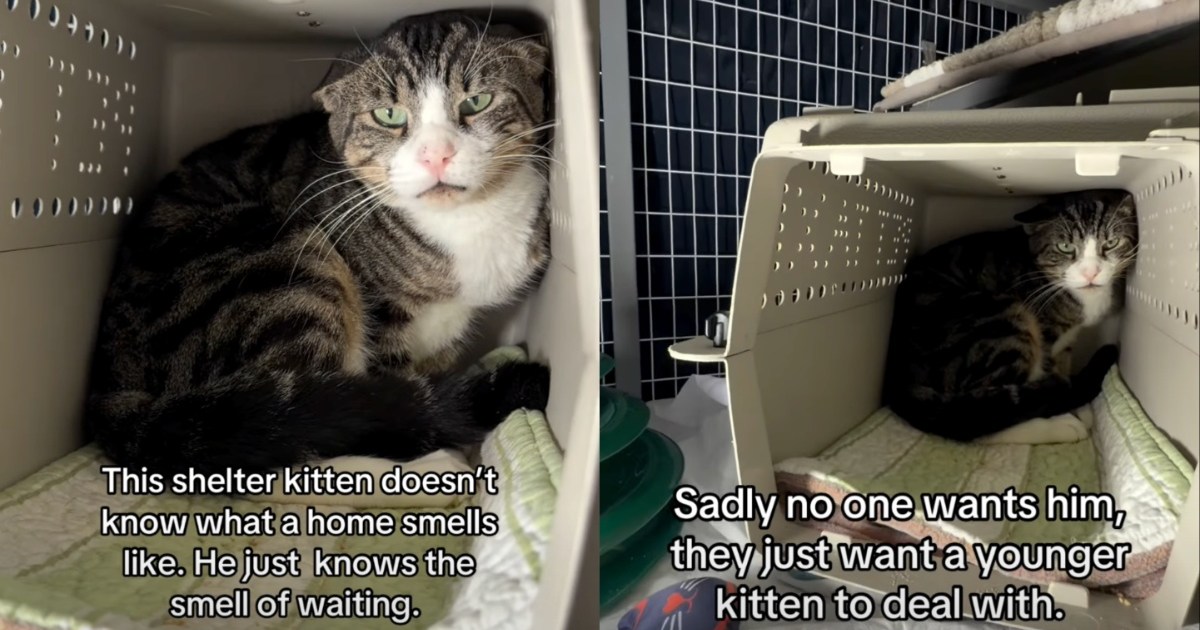
A shelter cat named Jerry has spent so long waiting for adoption that staff members worry he has never experienced a home. The orange tabby arrived at the shelter as a stray, with no history of living indoors with a family. An Instagram post from @albyocwork on July 23 shared an emotional video highlighting Jerry's situation, describing how the cat "doesn't know what home smells like."
Long-term shelter residents like Jerry face unique challenges. Cats who spend months or years in shelters can develop learned helplessness, where they stop displaying the playful, affectionate behaviors that make them adoptable. The sensory experience of home—the smell of a specific household, the texture of furniture, the sounds of family life—shapes how cats bond with people. Jerry has missed out on these critical early experiences that help cats feel secure and comfortable with humans.
Shelter staff recognize that cats like Jerry need patient adopters willing to help them adjust. These cats may take weeks or months to trust new owners, hide frequently, and show little interest in interaction at first. They require quiet homes, consistent routines, and adopters prepared for a gradual bonding process.
The emotional toll on shelter workers is real. Watching cats lose hope after extended stays motivates staff to advocate for overlooked animals. Jerry's story serves as a reminder that adoption saves lives in ways beyond rescue itself. Every day a cat spends in a shelter without a family is a day they miss learning what a home feels like.
Jerry's case highlights a broader shelter crisis. Countless cats wait in shelters for second chances, their personalities and potential hidden behind cage doors. While adoption can be slower for cats with behavioral challenges or long shelter histories, the right match—a patient, committed adopter—can transform their lives completely.