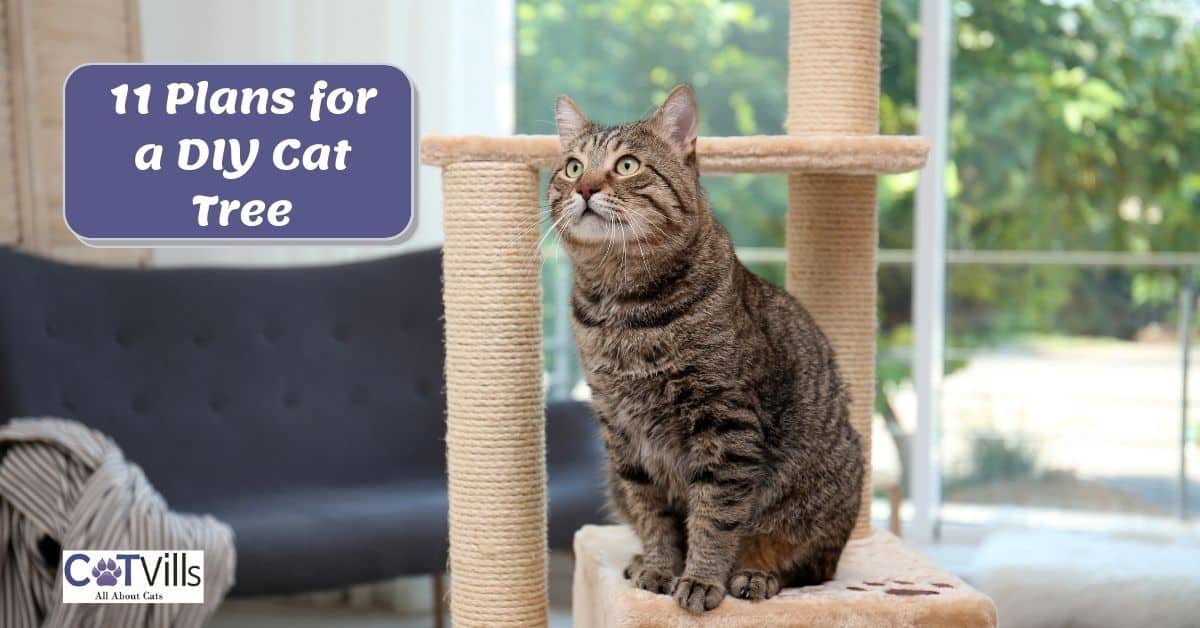
Building your own cat tree gives you total control over design, materials, and size while saving money compared to store-bought options. The DIY approach works especially well for cats with specific needs or unusual living spaces.
A homemade cat tree lets you customize features that commercial versions often miss. You can adjust height, add multiple perches at varying levels, and include scratching posts made from rope, sisal, or cardboard that match your cat's preferences. Some cats prefer horizontal scratching surfaces while others demand vertical posts. Building it yourself means you get to choose.
Basic designs start simple. A vertical scratching post wrapped in sisal rope mounted to a wooden base takes just a few hours and costs under $30. More complex builds incorporate multiple levels, hideaways, and resting spots that encourage climbing and jumping, which helps cats stay active and healthy.
The materials matter for your cat's safety. Use untreated wood, natural rope, and non-toxic finishes. Avoid pressure-treated lumber and chemical coatings that can harm cats during grooming and play. Secure all platforms firmly so they won't collapse under jumping or playing.
Online resources provide dozens of specific plans with step-by-step instructions. Many designs use PVC pipes as frames, plywood for platforms, and carpet remnants for padding. Some builders combine cat trees with window perches so cats can watch outdoor activity while climbing.
The biggest advantage: cost control. Identical commercial cat trees can run $100 to $300, while DIY versions often cost half that. You also skip problems with wobbly construction that plagues budget retailers.
Your cat benefits from vertical territory in any home. Climbing and perching help cats exercise, destress, and establish their personal space. A well-built DIY cat tree encourages these natural behaviors while giving your feline friend a dedicated area that feels uniquely theirs.