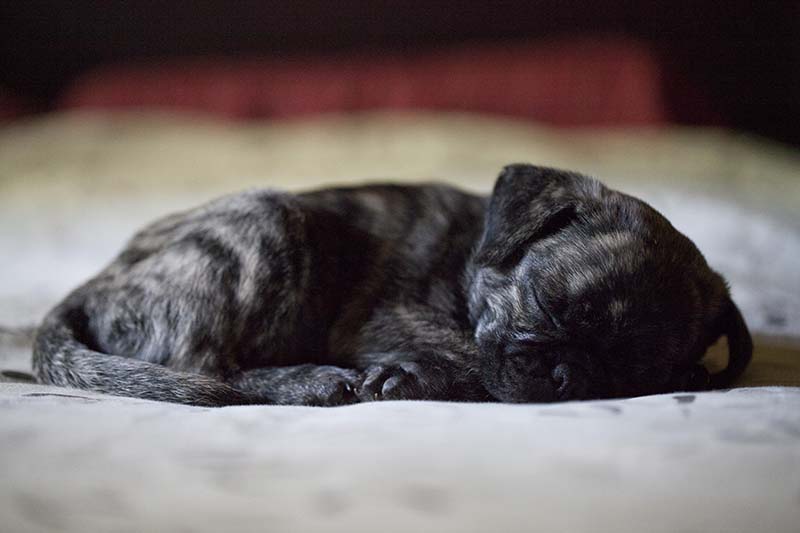
Australian researchers have developed an experimental injectable treatment called Snoretox-1 that may help dogs suffering from serious breathing difficulties. The therapy, tested in a small study of six British dogs, represents a new approach to managing canine respiratory problems without surgery.
Snoretox-1 works by relaxing the muscles in a dog's airway, similar to how botulinum toxin treatments function in human medicine. Dogs with brachycephalic airway syndrome, a condition common in flat-faced breeds like Bulldogs, Pugs, and French Bulldogs, struggle to breathe properly due to abnormally small airways and excess soft tissue in the throat. This condition causes snoring, wheezing, exercise intolerance, and in severe cases, life-threatening breathing crises.
Traditional treatment involves surgical procedures to remove excess tissue or widen the airway. These surgeries carry anesthesia risks and require recovery time. Snoretox-1 offers a less invasive alternative that could benefit dogs who are poor surgical candidates or whose owners prefer a gentler approach.
The preliminary study showed the injection improved airflow and reduced respiratory distress in participating dogs. Results were measurable within days of treatment. Researchers believe the effects are temporary and repeat injections would be needed to maintain benefits, similar to cosmetic botulinum toxin treatments in humans.
This research comes at a time when brachycephalic breed health concerns have intensified. Veterinary organizations worldwide now recognize breathing issues as a major welfare problem affecting millions of flat-faced dogs. Many countries have begun restricting breeding of these shapes to reduce health complications.
Dr. Noa Oraie and colleagues at the University of Melbourne conducted the research. Their work builds on growing interest in minimally invasive treatments for chronic conditions in pets.
While results look promising, Snoretox-1