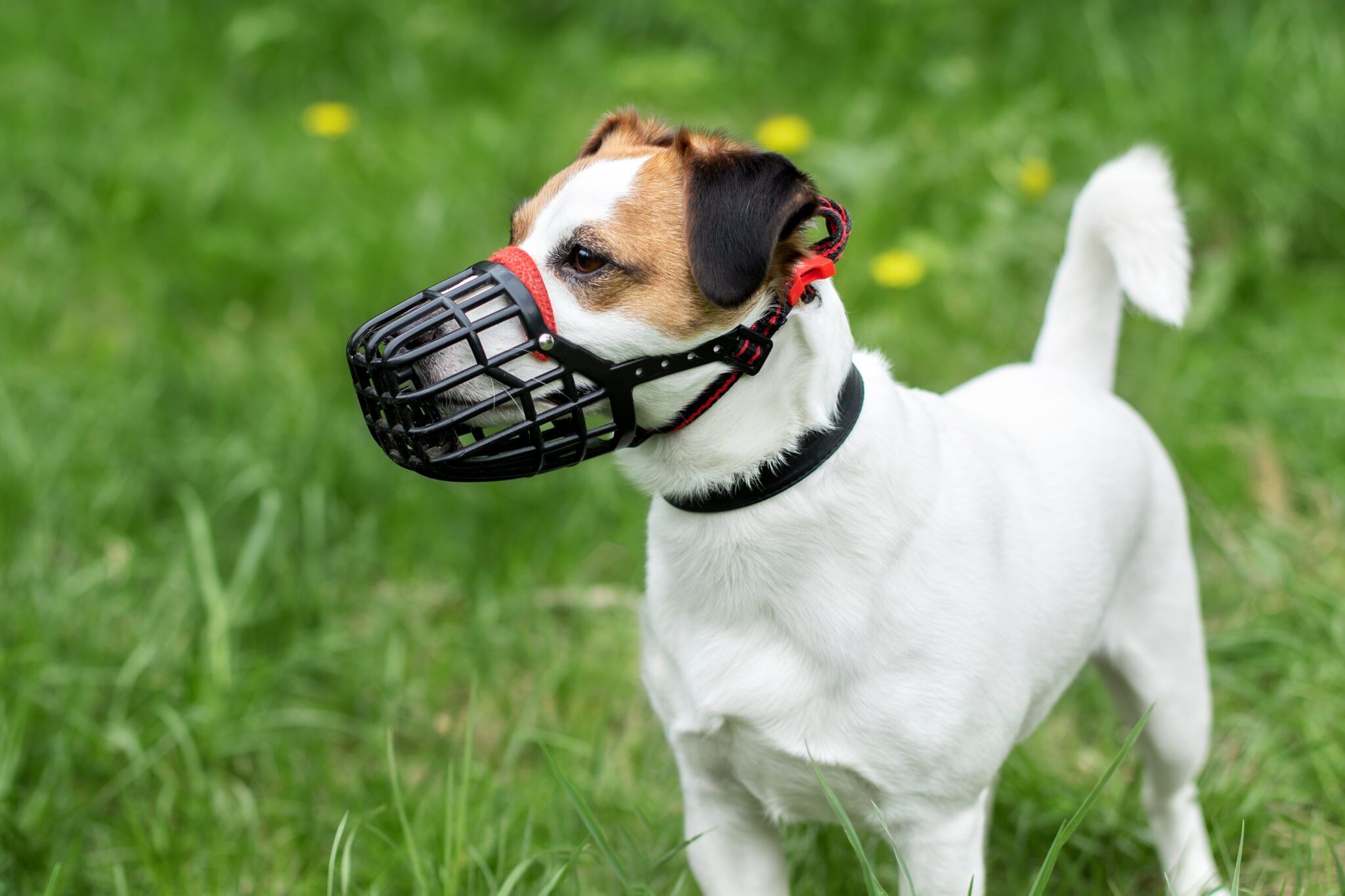
Dogs benefit from muzzle training even if they never wear one regularly. Teaching your dog to accept a muzzle creates a safety net for emergencies, veterinary visits, and stressful situations where even calm dogs may bite out of fear or pain.
Muzzle training serves multiple purposes. A well-fitted muzzle allows dogs to pant, drink water, and breathe comfortably while preventing bites during nail trims, medical procedures, or grooming. This matters because stressed or injured dogs sometimes bite despite their normally gentle temperament. Handlers can safely manage reactive dogs during walks or encounters with other animals.
The training process itself builds your dog's confidence. When introduced gradually with positive reinforcement, muzzle training becomes a neutral behavior rather than a punishment. Dogs learn to associate the muzzle with treats and praise, turning it into something they accept willingly.
Several muzzle styles exist for different needs. Basket muzzles offer the most comfort and functionality, allowing dogs to pant, eat treats, and drink throughout the day. Soft muzzles work for short-term situations like vet visits but shouldn't be worn for extended periods. Flat-faced breeds like Bulldogs and Pugs require specially designed muzzles that fit their unique anatomy.
Starting muzzle training young gives puppies time to acclimate, but adult dogs learn just as readily. The process involves letting your dog investigate the muzzle, rewarding them for putting their nose toward it, and gradually working toward wearing it for longer periods. Never force a muzzle on or use it as punishment.
Proper fit matters tremendously. A muzzle that's too tight restricts breathing and causes stress. One that's too loose slips off or doesn't prevent bites. Have a veterinarian or professional trainer measure and fit the muzzle correctly for your individual dog