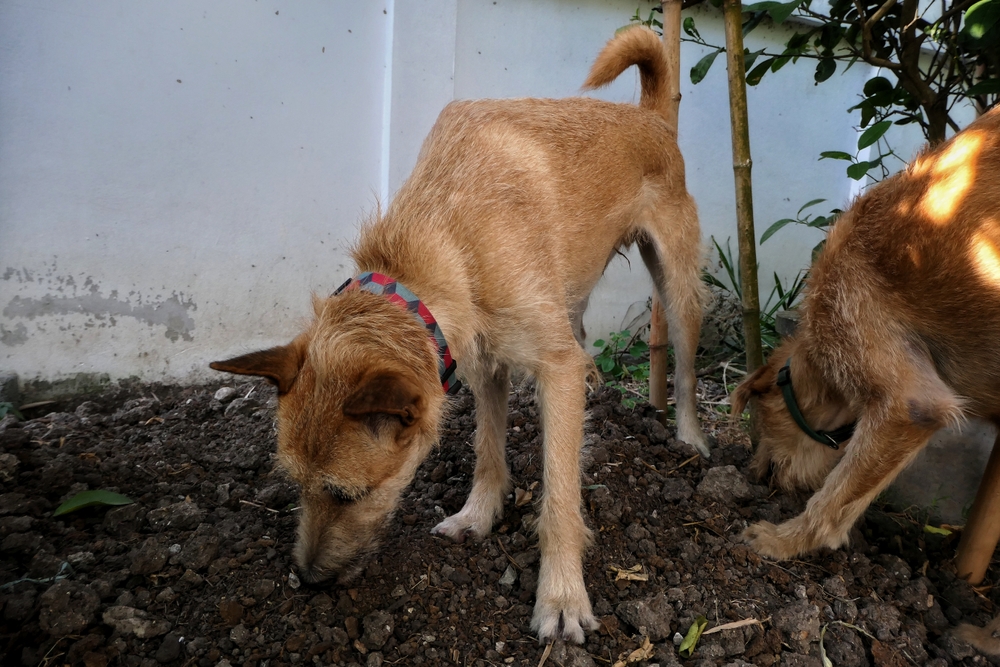
Dogs consume non-food items for a range of behavioral and medical reasons, and understanding what triggers this habit helps owners protect their pets from serious harm.
The behavior, called pica, can stem from nutritional deficiencies, digestive disorders, or underlying health conditions. Dogs lacking certain minerals or vitamins sometimes eat dirt or rocks to compensate. Gastrointestinal issues, parasites, or inflammatory bowel disease also drive pica behavior. A veterinarian can run blood tests and examine your dog to rule out these medical causes.
Boredom and anxiety frequently trigger the behavior in otherwise healthy dogs. Dogs with insufficient mental or physical stimulation turn to destructive chewing and ingestion. Puppies naturally explore their world with their mouths, making socks and small objects appealing targets. Some dogs develop obsessive behaviors around specific items.
Pica carries real risks. Sock ingestion can cause intestinal blockages requiring emergency surgery. Rocks damage teeth and may lodge in the stomach. Soil exposes dogs to parasites and bacteria. Plastic and paper create choking hazards and obstruction dangers. Toxins in certain items, from pesticide-treated dirt to chemical-coated materials, poison dogs.
Prevention requires management and enrichment. Remove tempting objects from reach. Provide appropriate chew toys and puzzle feeders to redirect the behavior. Increase exercise and training sessions to combat boredom. A consistent routine helps anxious dogs feel secure.
If your dog eats non-food items regularly, contact your veterinarian. They can identify medical conditions, recommend behavioral modifications, or refer you to a certified animal behaviorist. Early intervention prevents costly emergency surgeries and protects your dog's health. The harmless habit of occasional grass chewing differs significantly from compulsive pica, so professional assessment matters.