# Dog Paw Chewing: Identifying and Addressing the Problem
Dogs that constantly chew their paws signal an underlying issue requiring attention. This behavior rarely stems from boredom alone and often indicates pain, infection, or discomfort demanding veterinary evaluation.
Allergies represent a common culprit behind excessive paw chewing. Dogs develop allergies to food ingredients, environmental factors like pollen and dust mites, or contact allergens such as grass and cleaning products. When dogs experience itchy paws from allergies, they chew to relieve the sensation. A veterinarian can perform allergy testing and recommend elimination diets to identify triggers.
Yeast and bacterial infections frequently affect dog paws, particularly between the toes where moisture collects. These infections create redness, odor, and intense itching that drives dogs to chew obsessively. Vets diagnose these infections through cytology or culture and prescribe topical or oral antifungal and antibiotic treatments.
Parasites like fleas and mites also cause paw chewing. Even indoor dogs can contract mites, and a single flea bite triggers allergic reactions in sensitive dogs. Regular flea and tick prevention from your veterinarian prevents these infestations.
Pain from arthritis, injuries, or nail problems prompts protective chewing. Older dogs especially develop joint pain that makes them lick and chew affected areas. Anxious dogs sometimes develop compulsive chewing habits as a self-soothing behavior.
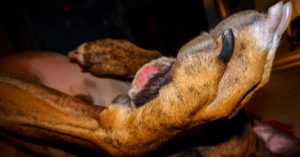
Pet owners should examine their dog's paws for visible signs. Look for redness, swelling, discharge, hair loss, or odor. Note whether chewing occurs seasonally, suggesting environmental allergies, or year-round, indicating food allergies or other causes.
Visit your veterinarian promptly when paw chewing persists