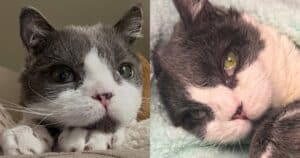
# Grub Proves Small Cats Pack Big Personalities
Grub, a diminutive cat, demonstrates that size has nothing to do with charm or character. The small feline has captured attention with an outsized personality that belies his compact frame.
Tiny cats like Grub often face unique health and care considerations that differ from their larger counterparts. Veterinarians recommend that owners of small-breed cats monitor their nutritional intake carefully, as these cats require precise calorie calculations relative to their body weight. Hypoglycemia can develop quickly in very small felines if they skip meals, making regular feeding schedules essential.
Small cats also benefit from specialized equipment designed for their proportions. Litter boxes should have low entry points to prevent injury to their joints and spine. Food and water bowls should be appropriately sized to encourage proper eating posture and reduce strain on their neck and shoulders.
Grub's story resonates with cat lovers because it highlights an overlooked truth. Pet size should never dictate owner expectations. Small cats display the same hunting instincts, playfulness, and affection as larger breeds. They climb, pounce, and demand attention with equal enthusiasm. Their compact size simply means they require thoughtful environmental design and monitoring.
Veterinary behaviorists note that small cats sometimes receive less enrichment than larger cats, a mistake with behavioral consequences. These animals need climbing structures, interactive toys, and scratching posts scaled to their bodies. Without proper outlets for their natural behaviors, small cats develop anxiety and destructive habits.
Grub's appeal stems from authenticity. This cat isn't a novelty or a fashion statement. Instead, he embodies the reality that every feline, regardless of stature, deserves respect and appropriate care. His presence in conversations about cats reminds owners that great things truly do come in compact packages, provided those packages receive