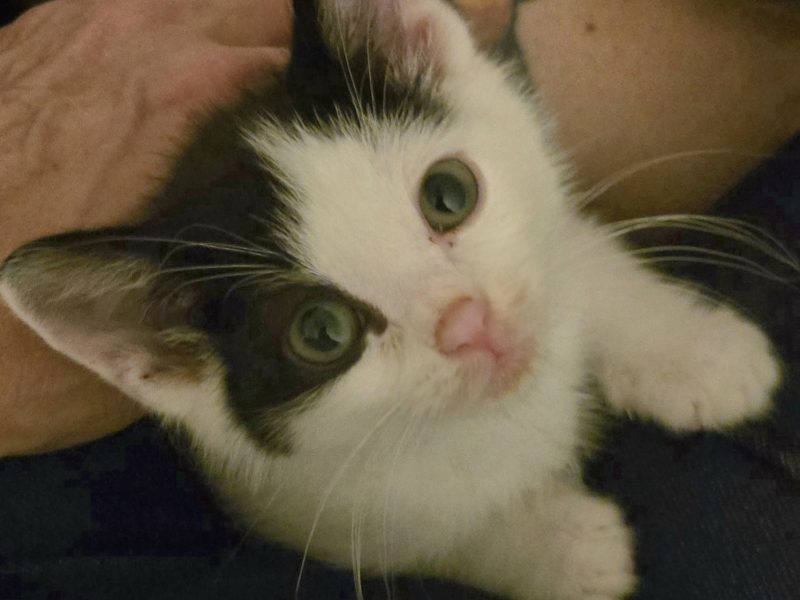
# A Different Kind of Wobbly Kitten – Meet Little Lala
Little Lala represents a growing number of cats with cerebellar hypoplasia, a neurological condition that affects balance and coordination. This kitten's wobbly gait stems from underdevelopment of the cerebellum, the brain region responsible for motor control.
Cerebellar hypoplasia in cats typically develops before birth or in early infancy, often caused by feline panleukopenia virus (FPV) exposure during pregnancy or the neonatal period. The condition is not progressive, meaning it does not worsen over time. Affected cats like Lala experience tremors, unsteady movement, and difficulty with precise actions, but they feel no pain from the condition itself.
Lala's story highlights an important truth about cats with neurological differences. Despite her wobbly movements, she can live a full, happy life. These cats adapt remarkably well to their physical limitations. They learn to navigate their environment, play, eat, and interact with people and other animals. Many thrive in homes where caregivers understand their needs.
Managing a cat with cerebellar hypoplasia involves practical adjustments. Low-sided litter boxes prevent accidents. Food and water bowls should sit on non-slip surfaces. Ramps or steps help cats access favorite spots safely. Most affected cats develop confidence over time and require minimal intervention beyond these environmental modifications.
Rescue organizations and shelters increasingly recognize that cats with cerebellar hypoplasia make wonderful companions. Their condition does not affect their cognitive abilities, personality, or lifespan. Lala's presence in the rescue community raises awareness that physical differences do not diminish a cat's capacity for joy or love.
For potential adopters, cats like Lala offer an opportunity to provide meaningful care to animals that might otherwise face