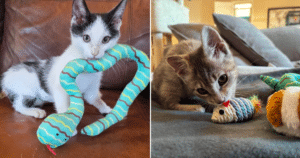
# Your Compassion Delivers Comfort to Cats Waiting for Forever Homes
Cats in shelter care receive renewed comfort thanks to donations and support from compassionate individuals. The iHeartCats organization highlights how public generosity directly improves the lives of felines waiting for adoption.
Shelter cats face stress during their time in facilities. They experience anxiety from unfamiliar environments, separation from previous homes, and uncertainty about their futures. Donations help shelters provide enrichment items, comfortable bedding, toys, and veterinary care that reduce this stress.
Funding from supporters allows shelters to create better living conditions. Cats receive proper nutrition, medical treatment for existing health issues, and behavioral support from trained staff. Some shelters use donations to build cat rooms with climbing structures, window perches, and hiding spaces. These environmental improvements help cats feel safer while awaiting placement.
Veterinary care becomes accessible through donations. Cats entering shelters often need vaccinations, spaying or neutering, dental work, and treatment for diseases like feline leukemia virus (FeLV) or feline immunodeficiency virus (FIV). Addressing these health issues before adoption reduces health emergencies after cats arrive in new homes.
Adoption readiness depends partly on a cat's physical and emotional state. Well-cared-for cats show fewer behavioral problems and integrate more smoothly into families. This increases adoption success rates and reduces returns to shelters.
The iHeartCats organization channels donations to partner shelters and rescue groups nationwide. Contributors choose how their money helps. Some funds go toward specific cats, while others support general shelter operations. Transparent reporting shows donors exactly where their money goes.
Adopters benefit from this support too. Cats arriving in homes have received proper medical care and socialization. They transition more successfully and bond faster with new families.
Shelter workers recognize that