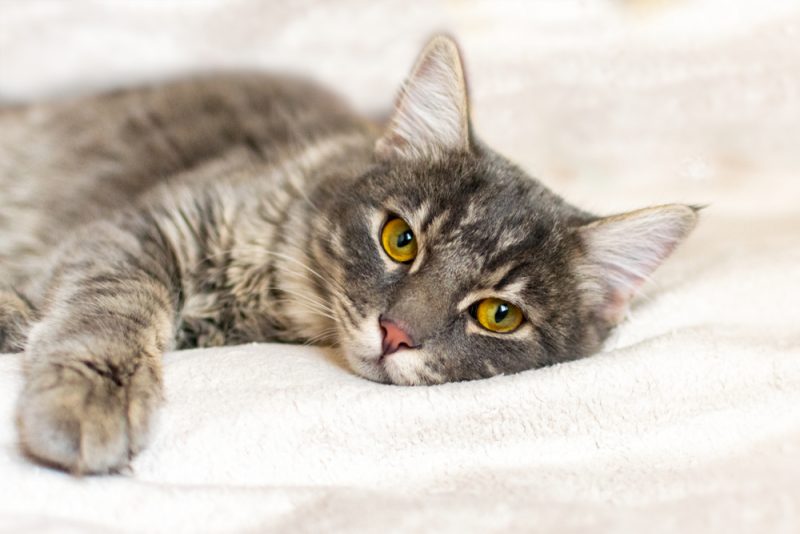
Veterinarians report that cat owners frequently overlook subtle symptoms of illness, allowing treatable conditions to progress before intervention occurs.
Cats mask pain and discomfort better than most pets, making early detection difficult. Vets emphasize that owners should watch for behavioral shifts rather than relying on obvious physical symptoms. Changes in litter box habits rank among the most telling indicators. A cat using the box more or less frequently, straining during urination, or producing smaller amounts of urine signals urinary tract infections, diabetes, or kidney disease. These conditions require prompt veterinary attention.
Appetite changes deserve immediate investigation. Both decreased food intake and excessive eating can indicate underlying problems. Dental disease, gastrointestinal disorders, hyperthyroidism, and diabetes all produce appetite alterations. Owners who notice their cat eating less or begging for food constantly should schedule a veterinary exam.
Grooming habits reveal health status too. Cats that stop grooming or appear matted and unkempt may experience pain, arthritis, or depression. Conversely, excessive grooming in one area suggests skin irritation, parasites, or inflammation.
Activity level changes warrant attention. Cats sleeping more than usual or becoming unusually withdrawn often feel unwell. Hiding, another common sign owners miss, indicates a cat in distress or pain seeking safety.
Vomiting and diarrhea receive more notice from owners but still go underreported when infrequent. Even occasional digestive upset needs evaluation. Vets stress that cats cannot tell us what hurts, so owners must observe closely and report changes during checkups.
Breathing abnormalities, excessive thirst, weight loss, and eye or nasal discharge all demand veterinary evaluation. Vets recommend baseline knowledge of each cat's normal habits. Owners who recognize when their cat acts differently catch problems early. Schedule