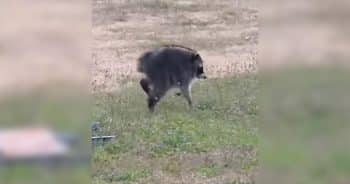
Jimothy the raccoon has captured the internet's attention with his unusual personality and charm. The distinctive raccoon stands out from typical wildlife encounters through his comfort around humans and engaging behavior that translates well to social media.
Raccoons like Jimothy typically avoid human contact in the wild, preferring to forage at night for insects, fruits, and garbage. Their natural wariness makes close human interactions rare. Jimothy's approachability suggests he either grew up around people or was hand-raised, which fundamentally changes how raccoons relate to humans compared to their wild counterparts.
The viral raccoon demonstrates the complex reality of wildlife in human spaces. While Jimothy's antics entertain millions online, wildlife experts caution that habituated raccoons can become problematic. Raccoons that lose their fear of humans often raid garbage cans, damage property, and create conflict with homeowners. Some jurisdictions classify habituated wildlife as public nuisances requiring removal or relocation.
Jimothy's rise to fame reflects broader trends in exotic pet appeal and wildlife entertainment. Social media platforms amplify individual animal stories, sometimes obscuring important conservation and safety messages. The raccoon's popularity shows how personality captures hearts, but experts worry it normalizes close contact with wild animals that carry rabies and parasites.
For pet owners, Jimothy's story offers a useful lesson. While raccoons display intelligence and charm, they remain wild animals with unpredictable instincts. Experts recommend securing garbage, removing outdoor pet food, and sealing entry points rather than encouraging wildlife visitation.
Jimothy continues entertaining his global audience, but his unusual trajectory highlights the tension between wildlife conservation and human entertainment. His story reminds us that while individual raccoons can become beloved characters, the species functions best when maintaining healthy distance from human settlements.