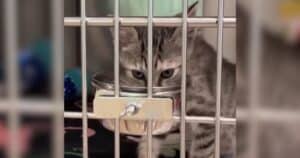
Veterinarians across the country are reporting a troubling shift in feline panleukopenia virus (FPV) cases. The highly contagious disease, long known as a kitten killer, now strikes adult cats with increasing frequency and severity.
Feline panleukopenia attacks the bone marrow and intestinal lining, causing extreme dehydration, vomiting, and diarrhea. Unvaccinated kittens historically faced the highest mortality risk. Today, veterinarians observe the virus spreading into adult cat populations, with some adult cats developing severe illness that rivals what young animals experience.
The shift alarms veterinary professionals because it suggests FPV may be evolving or circulating more widely in unvaccinated communities. Indoor cats remain safer than outdoor cats, but the virus spreads through contact with infected urine, feces, and other bodily fluids. Even contaminated food bowls, litter boxes, and human hands can transmit it between cats.
Vaccination remains the most reliable protection. Kittens receive their initial FPV vaccine at six to eight weeks of age, with boosters every three to four weeks until sixteen weeks old. Adult cats need regular boosters every one to three years, depending on lifestyle and vaccine type.
Cats showing letharness, loss of appetite, vomiting, or bloody diarrhea need immediate veterinary care. Blood tests can confirm FPV diagnosis. Treatment focuses on supportive care like IV fluids, antibiotics to prevent secondary infections, and nutritional support. Many cats survive with aggressive treatment, but prevention through vaccination remains far more effective than treatment.
Pet owners should ensure their cats receive complete vaccination schedules and keep unvaccinated cats indoors. Those with multiple cats should isolate sick animals immediately. Disinfecting surfaces with bleach solutions kills the hardy virus effectively.