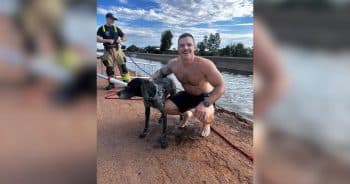
# Epileptic Dog Missing After Monsoon Rescued From Canal by Firefighters
Firefighters rescued an epileptic dog from a canal after the animal went missing during a monsoon. The dog had fled during severe weather and ended up in water, where rescue crews located and retrieved the animal.
Dogs with epilepsy face heightened risks during extreme weather events. Loud thunder, pressure changes, and storm stress trigger seizures in many epileptic dogs. The combination of frightening conditions and a seizure episode likely caused this dog to bolt and become disoriented, leading to the canal incident.
The rescue underscores why pet owners with epileptic dogs should take extra precautions during severe weather. Creating a secure shelter space away from windows helps reduce stress and seizure triggers. Some owners keep their epileptic dogs indoors during storms, away from potential escape routes.
Epilepsy affects dogs of all breeds and ages. Seizures involve sudden, uncontrolled electrical activity in the brain. Dogs may lose consciousness, experience muscle contractions, or show behavioral changes. Most seizures last seconds to a few minutes, though clusters of repeated seizures require immediate veterinary care.
Veterinarians manage canine epilepsy with medications like phenobarbital and levetiracetam. Consistent medication timing helps prevent breakthrough seizures. During seizure episodes, owners should keep their dogs away from stairs, water, and hard objects.
This rescue highlights the importance of microchipping epileptic dogs. A chip helps rescuers identify the owner and alert them to the dog's medical condition. Microchipping combined with updated registration information increases the chances of a safe reunion.
The dog's safe recovery serves as a reminder for owners of dogs with medical conditions. Emergency preparedness, secure containment during weather events, and proper identification save lives.