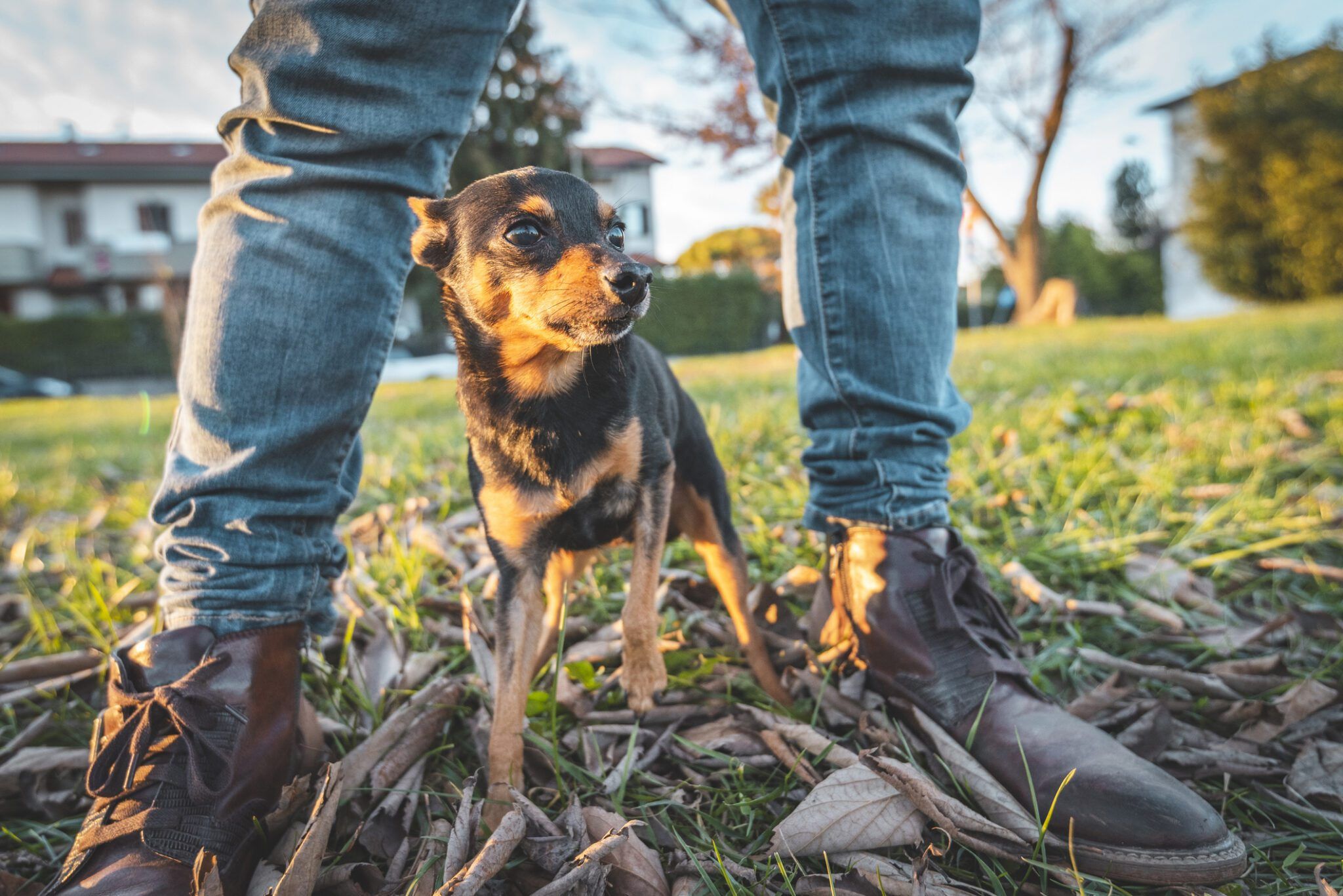
Dogs detect fear through scent, but the popular myth that they will dominate fearful people lacks scientific support.
Dogs possess approximately 300 million olfactory receptors in their noses, compared to the 6 million humans have. This extraordinary sensory ability allows them to detect the chemical compounds released when people experience fear, anxiety, and other emotions. Each emotion produces a distinct scent profile that dogs can easily distinguish.
When humans feel afraid, their bodies release adrenaline and cortisol. These stress hormones create a unique odor signature in sweat and other bodily secretions. Dogs' powerful sense of smell picks up these chemical markers instantly. Research shows dogs respond to fear-based scents differently than they respond to calm or happy scents, confirming their ability to detect emotional states.
However, the widespread belief that dogs will attack or attempt to dominate people who smell afraid is a misconception. Dogs don't interpret fear as a sign of weakness to exploit. Instead, they may react with curiosity, caution, or stress of their own. A dog might move away from a fearful person, seek reassurance, or mirror the person's anxiety rather than act aggressively.
Understanding this distinction helps pet owners interact more confidently with dogs. If you feel nervous around a dog, the animal will detect your fear through scent and possibly through your body language. That detection doesn't trigger dominance behavior. Instead, it may cause the dog to feel uncertain about the situation.
This knowledge applies to training and dog encounters. Trainers and behaviorists emphasize staying calm around dogs, not because fearful dogs will attack, but because calm energy helps dogs feel secure. Dogs pick up on human emotional states through multiple channels: scent, vocal tone, and body language all communicate your emotional state simultaneously.