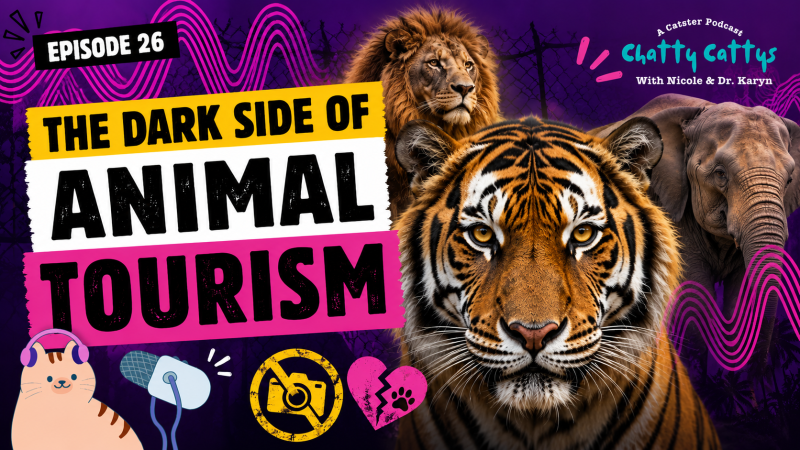
# Big Cat Tourism and Ethical Wildlife Encounters Under Scrutiny
The latest episode of Chatty Cattys examines the complex relationship between wildlife tourism, big cat conservation, and ethical hunting practices. The podcast explores how tourism dollars flow into big cat habitats while raising questions about whether these encounters truly protect wild populations or exploit them.
Big cat tourism generates substantial revenue in countries across Africa and Asia. Visitors pay significant fees to see lions, tigers, leopards, and other large felids in their natural habitats or captive settings. Tourism advocates argue these programs fund conservation efforts and create economic incentives to preserve wild spaces. Critics counter that tourism operations often prioritize profit over animal welfare, leading to habituation, stress, and behavioral problems in wild populations.
The episode also addresses lion hunting, a contentious practice in African nations. Trophy hunting remains legal in several countries and generates funding for wildlife programs. Proponents claim regulated hunting removes problem animals and funds anti-poaching efforts. Opponents argue the practice contradicts conservation goals and that lions face population pressures from habitat loss and human-wildlife conflict.
The hosts emphasize learning from past mistakes in wildlife management. Decades of misguided big cat programs have created lasting problems. Hand-reared lions released into the wild struggle to survive. Captive breeding programs designed for reintroduction often fail. Tourism operations in some regions have degraded lion habitats and disrupted natural behaviors.
Effective conservation requires honest evaluation of what works. Evidence-based approaches prioritize habitat protection, human-wildlife coexistence programs, and community involvement. Local communities living alongside big cats deserve economic benefits and safety from predation. International cooperation helps enforce protections across borders where cats roam.
The conversation reflects growing awareness that romanticized views of wildlife tourism mask real complications. Big cats need space, prey, and freedom from excessive human interference. Future programs must balance tourism revenue with