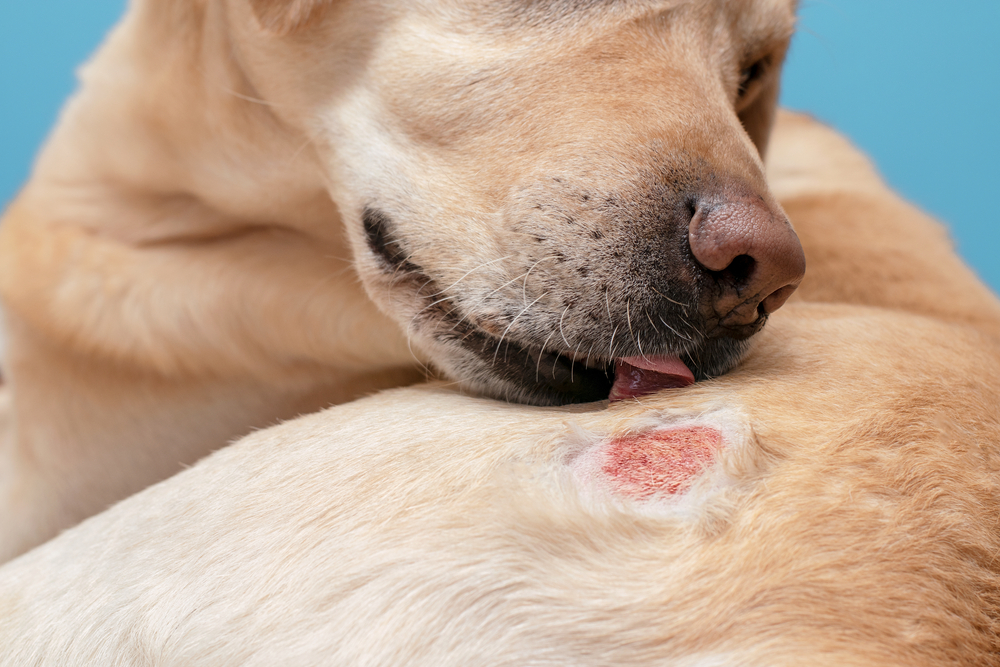
A dog in Florida contracted screwworm, marking the first confirmed canine case in the current U.S. outbreak. The parasitic fly larvae burrow into living flesh and create open wounds that worsen without treatment. Pet owners planning trips to Mexico with their dogs face real risk.
Screwworms spread through the New World screwworm fly, which lays eggs in open wounds, cuts, or mucous membranes. The larvae consume healthy tissue as they develop, causing severe pain and infection. Dogs can contract screwworms from any break in their skin, including scratches, surgical incisions, or bite wounds.
The outbreak originally centered in Florida but has spread across southern states. Veterinarians now recommend preventive measures for dogs traveling to Mexico or living in endemic areas. This includes avoiding trips with injured or recently spayed/neutered dogs, keeping wounds clean and covered, and checking your dog daily for suspicious sores or drainage.
Treating screwworm requires immediate veterinary intervention. Vets manually remove larvae and apply topical treatments to kill remaining parasites. Without prompt treatment, secondary infections and sepsis can develop quickly.
The U.S. eradicated screwworms decades ago through a sterile insect technique program. Recent warm winters and expanded fly populations have reversed this progress. Mexico and Central America remain endemic zones where the flies thrive year-round.
Pet owners should discuss travel plans with their veterinarian before heading south. Your vet can assess your dog's health, recommend preventive treatments, and provide wound care guidance. Keep your dog up to date on vaccinations and avoid letting it interact with stray animals or wildlife during travel.
If your dog develops unexplained drainage, open sores, or unusual behavior after potential exposure, seek veterinary care immediately. Early detection and treatment significantly improve outcomes. Contact your vet or local animal health authorities