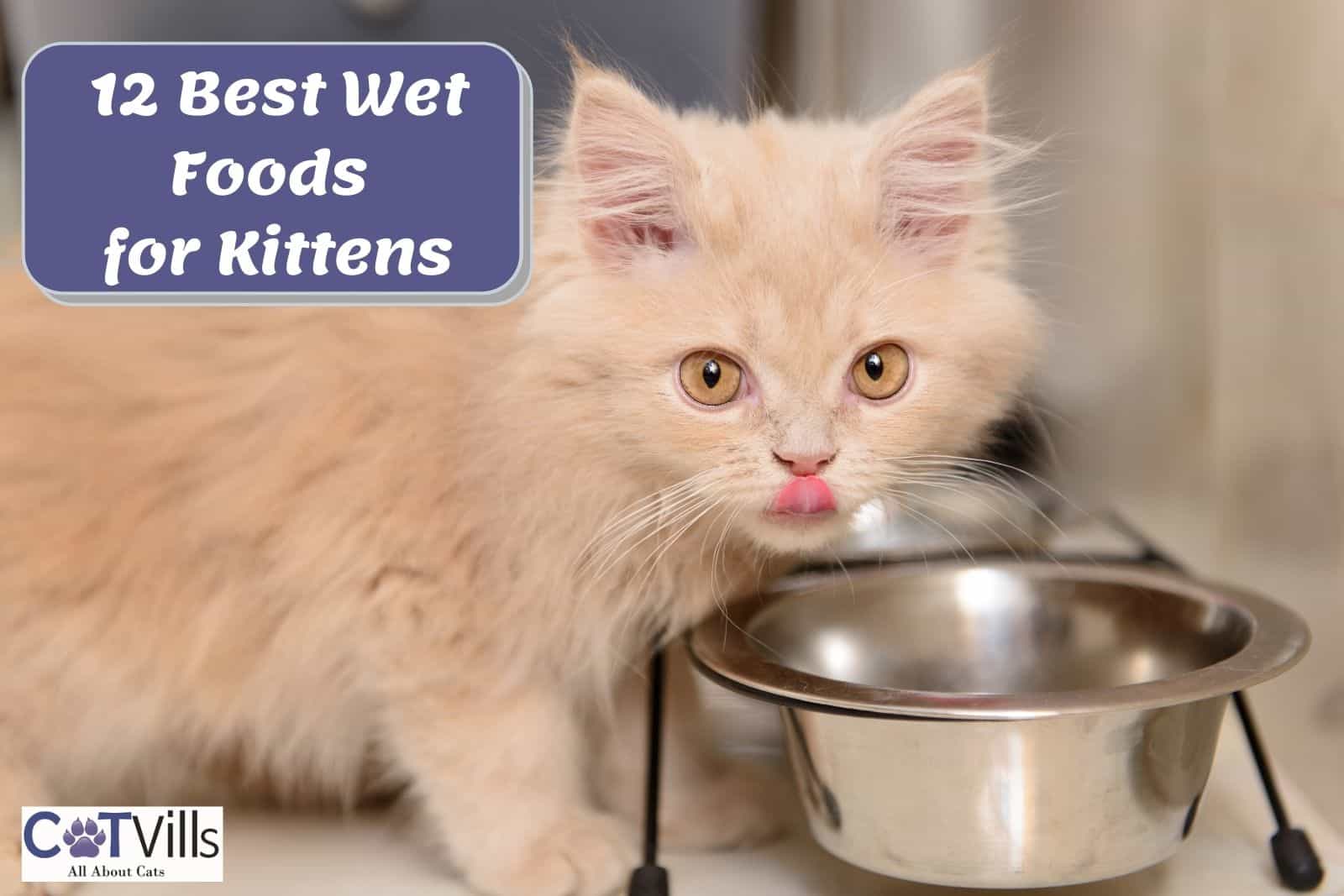
Kittens develop rapidly during their first months, and wet food plays a direct role in supporting muscle growth, brain development, hydration, and immune function during this critical window. The kitten food market, however, overwhelms owners with marketing language that obscures actual nutritional value.
Wet food offers specific advantages for young cats. High moisture content supports hydration, which kittens often neglect when eating dry kibble alone. The softer texture suits developing teeth and gums. Wet formulas typically deliver concentrated protein and fat, both essential for the energy demands of growing kittens.
When selecting wet food for kittens, focus on ingredient lists rather than label claims. Look for named meat sources like chicken, turkey, or fish as primary ingredients. Avoid products listing "meat by-products" or "animal meal" as main components. AAFCO (Association of American Feed Control Officials) certification confirms the food meets minimum nutritional standards for kittens, not adult cats. This distinction matters because kitten formulas contain higher protein and calorie densities than adult food.
Age-appropriate feeding makes a difference. Very young kittens (under eight weeks) may need specialized kitten formula or moistened food designed for their specific stage. Gradually transition kittens to standard kitten wet food as they mature.
Portion control remains important despite wet food's palatability. Overfeeding leads to obesity, a growing problem in domestic cats. Follow feeding guidelines on packaging, adjusting based on your kitten's individual growth rate and activity level.
Consider rotating between two or three quality wet foods to provide nutritional variety and prevent food boredom. However, introduce new foods gradually over seven to ten days to avoid digestive upset.
Consult your veterinarian about specific wet food recommendations for your kitten. Your vet can assess your individual kitten's health status, growth