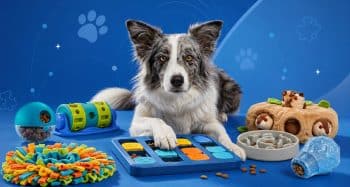
Dog boredom leads to destructive behavior, excessive barking, and anxiety. Puzzle toys offer dogs mental stimulation while keeping them engaged for extended periods.
Puzzle toys work by hiding treats or kibble inside compartments that dogs must manipulate to access rewards. This mimics natural foraging behaviors and activates problem-solving skills. The mental challenge tires dogs as effectively as physical exercise, reducing unwanted behaviors.
Several types deliver results. Treat-dispensing toys like Kong Wobbler and Outward Hound puzzle games require dogs to roll, push, or flip the toy to release rewards. Hide-and-seek toys let owners tuck treats into fabric folds for sniffing games. Lick mats frozen with yogurt or peanut butter provide prolonged engagement and soothing effects.
Benefits extend beyond entertainment. Regular puzzle toy use strengthens the bond between owners and dogs through interactive play. Dogs develop confidence as they master new challenges. For senior dogs or those with mobility issues, seated puzzle activities maintain mental sharpness without strenuous physical demands.
Selection depends on your dog's age, size, and chewing intensity. Puppies benefit from softer, safer options. Aggressive chewers need durable rubber or nylon materials. Senior dogs prefer easier-access designs requiring minimal jaw strength.
Rotation prevents boredom with the same toy. Store some puzzle toys away and rotate them weekly to maintain novelty and excitement. Introduce new toys during training sessions or when you'll be away from home to maximize distraction value.
Supervision matters initially. Watch your dog interact with any new puzzle toy to ensure they use it safely and don't attempt to destroy it. Remove toys showing cracks or damage.
Puzzle toys complement regular exercise and training but don't replace them. Combined with daily walks, play sessions, and training practice, they create a well-