# Capybara Daily Life: A Day in the Life of Pumpkin
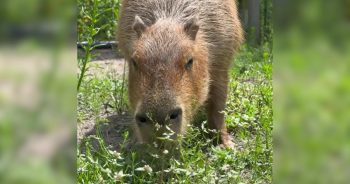
Capybaras live fascinating lives centered around eating, bathing, and socializing. Pumpkin, a capybara featured in recent documentation, demonstrates the typical routine of these South American rodents.
Capybaras spend most of their day grazing on aquatic vegetation and grasses. These semi-aquatic mammals eat constantly to fuel their large bodies, consuming up to 3.5 pounds of plant material daily. Pumpkin spends considerable time near water sources, where capybaras naturally gravitate because their partially webbed feet and streamlined bodies make them excellent swimmers.
Water plays a central role in capybara behavior. These rodents cool their bodies by wallowing in ponds, rivers, and wetlands. They also use water as an escape route from predators. Pumpkin's day includes multiple water sessions where the capybara submerges itself partially or fully, often resting with just its eyes and ears above the waterline.
Social interaction drives much of capybara activity. These animals live in groups ranging from five to ten individuals in the wild. Pumpkin engages with other capybaras through grooming, playing, and simply resting together. Capybaras produce soft vocalizations to communicate with herd members, creating a calm, social atmosphere throughout the day.
Capybaras also spend significant time resting and digesting. They remain relatively sedentary during hot midday hours, becoming more active during early morning and late afternoon when temperatures drop. Pumpkin's schedule includes lengthy rest periods between feeding and water activities.
Predation risk shapes capybara behavior patterns. These animals remain alert while feeding and stay close to water for quick escape routes. Their group living strategy provides safety through numbers, allowing cap