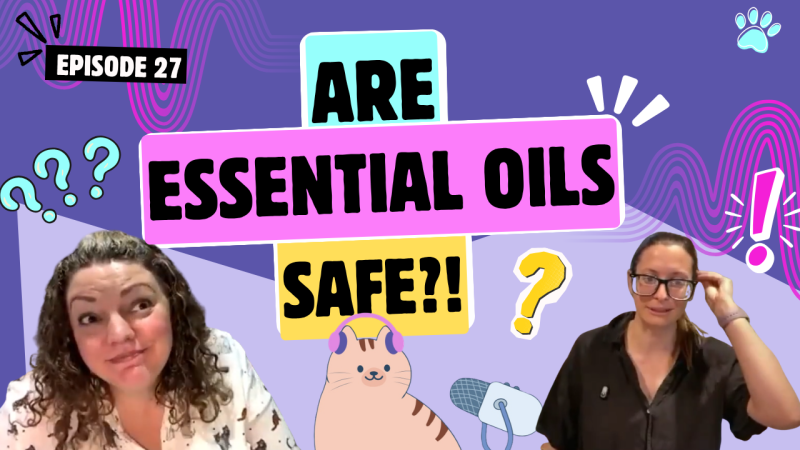
# Chatty Cattys Episode 27 Explores Essential Oils, Homemade Diets, and Nutrition for Cats
The latest episode of Catster's "Chatty Cattys" podcast tackles three topics cat owners frequently ask about: essential oils, homemade cat food, and understanding butter color in feline nutrition.
Essential oils present a real safety concern for cats. Many common oils like tea tree, eucalyptus, peppermint, and citrus varieties contain compounds that cats metabolize poorly due to their liver chemistry. Cats lack certain enzymes that allow other animals to break down these substances safely. Even diffused oils pose risks through inhalation or skin contact. The hosts stress that cat owners should avoid essential oil diffusers in homes with felines and never apply oils directly to cats' fur or skin.
Homemade cat food requires careful formulation. Unlike commercial cat foods developed by nutritionists and tested for complete nutrient profiles, homemade diets often lack essential amino acids, particularly taurine. Cats need taurine, an amino acid they cannot synthesize themselves. Deficiency leads to serious heart and eye problems. If cat owners choose homemade feeding, consultation with a veterinary nutritionist becomes non-negotiable to ensure proper nutrient balance.
The butter color discussion reflects broader nutrition awareness. The color of butter relates to a cat's diet and what the source animals consumed. Feed quality affects butter color, which then reflects the nutritional value in meat products. This connects to the broader concept that diet quality matters at every stage.
The episode reinforces that cat owners should approach nutrition decisions with veterinary guidance. While some alternative approaches appeal to pet parents seeking control over their cats' diets, professional oversight prevents nutritional imbalances that cause long-term health problems. Essential oils remain off-limits entirely, regardless of