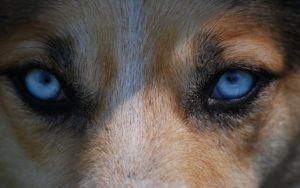
Dog owners can protect their pet's vision through five straightforward preventive measures.
Regular veterinary eye exams form the foundation of canine eye health. Vets screen for common conditions like cataracts, glaucoma, and progressive retinal atrophy during routine checkups. Early detection stops many eye diseases before they damage vision permanently.
Nutrition plays a direct role in maintaining healthy eyes. Dogs benefit from diets rich in antioxidants like lutein, zeaxanthin, and vitamins C and E. These compounds protect the retina from oxidative damage. Omega-3 fatty acids support overall eye function and reduce inflammation.
Environmental protection matters daily. Protect your dog's eyes from debris, chemicals, and excessive sun exposure. During windy conditions or outdoor play, monitor your dog's eyes for irritation. Some breeds with protruding eyes, like Pekingese and Pugs, need extra caution against injury.
Hygiene prevents infections and irritation. Clean around your dog's eyes gently with a damp cloth to remove discharge or debris. Never use human eye products on dogs. If your dog shows excessive tearing, redness, or discharge, contact your veterinarian immediately.
Weight management supports eye health indirectly. Obesity increases the risk of diabetes, which causes cataracts in dogs. Maintaining a healthy weight through proper diet and exercise protects eyes and overall health.
Certain dog breeds face higher eye disease risks. Cocker Spaniels, Poodles, and Retrievers commonly develop cataracts. German Shepherds and Siberian Huskies experience higher glaucoma rates. Dachshunds and Corgis face increased risk for progressive retinal atrophy. Knowing your dog's breed predispositions helps you stay alert for early warning signs.
Watch for symptoms