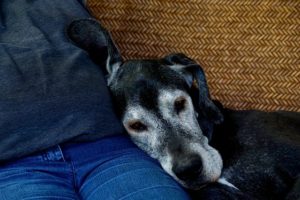
Senior dogs face new physical challenges as they age, and thoughtful home modifications can keep them comfortable and safe. Creating an aging-friendly environment takes planning but pays dividends in your dog's quality of life.
Joint pain and mobility issues dominate senior dog health concerns. Ramps or stairs help dogs navigate spaces without straining arthritic joints. Place food and water bowls on elevated stands to reduce neck strain during eating. Non-slip rugs and mats on hard floors prevent falls, a serious risk for older dogs with weak rear legs or balance problems.
Sleeping arrangements matter enormously for aging dogs. Orthopedic dog beds with memory foam support arthritic joints and provide cushioning for bony pressure points. Position beds in quiet, low-traffic areas where your senior dog can rest undisturbed. Avoid placing beds near drafty doors or heating vents that create temperature swings.
Senior dogs often experience vision and hearing loss. Keep your home layout consistent so your dog navigates familiar spaces confidently. Use nightlights in hallways and near stairs to help dogs with declining vision move safely at night. Baby gates can corral your senior dog in safe zones during times when you cannot supervise closely.
Bathroom access becomes critical for dogs with incontinence or frequent urination. Place litter box-style pads in sleeping areas and near exits. Some senior dogs struggle with steep stairs to outdoor potty areas. Consider installing a doggy door to a fenced yard or using indoor potty areas during bad weather.
Temperature control matters for aging dogs with less efficient body regulation. Senior dogs may feel cold more easily, so provide blankets and keep homes at consistent, comfortable temperatures.
Regular veterinary checkups help identify health changes early. Your vet can recommend specific modifications based on your dog's conditions. Senior dogs entering their later years benefit from these environmental adjustments that respect their changing bodies while