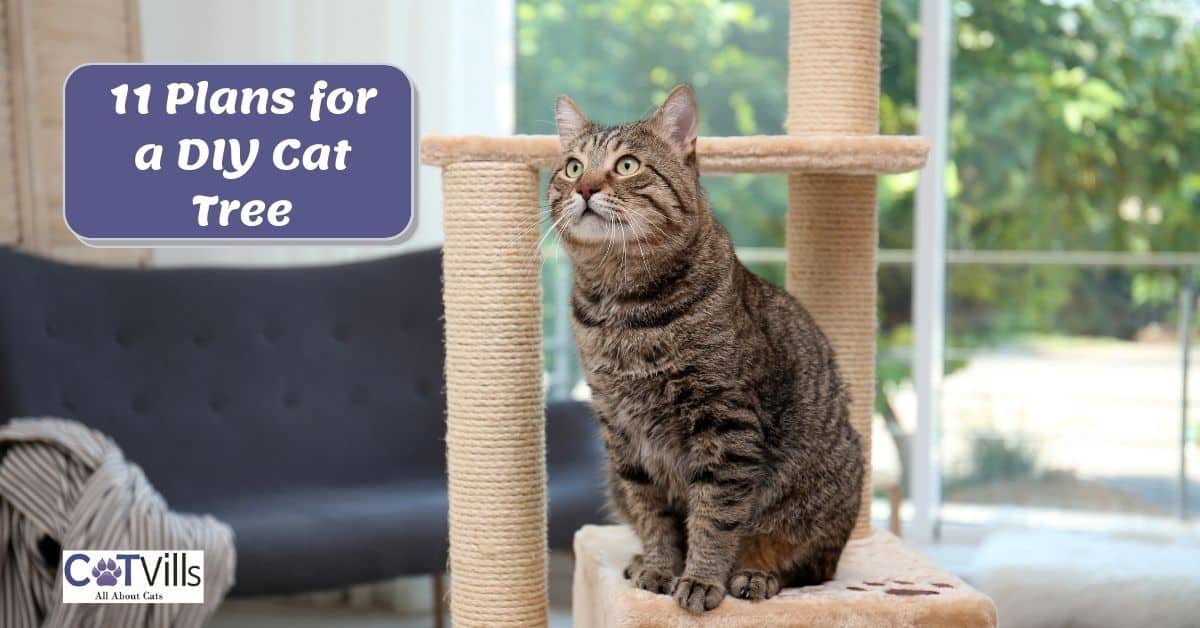
Building a cat tree yourself offers pet owners a budget-friendly way to create enrichment spaces tailored to their cats' preferences. DIY cat trees range from simple scratching posts to elaborate multi-level structures that combine climbing, hiding, and perching surfaces.
Cats benefit significantly from vertical spaces. These structures satisfy their natural instinct to climb, observe their surroundings from high vantage points, and scratch without damaging furniture. A well-designed cat tree provides mental stimulation and physical exercise, which help prevent obesity and behavioral problems in indoor cats.
DIY projects allow customization that commercial cat trees often cannot match. Pet owners can choose materials like sisal rope, carpet, wood, and natural fibers based on their cat's preferences and their home's décor. Some cats prefer rough sisal for scratching, while others favor carpet or corrugated cardboard. Building a tree lets you cater to these individual tastes.
Basic cat tree designs start with PVC pipes or wooden posts wrapped in sisal rope, paired with plywood platforms covered in carpet or cushioning. More advanced plans incorporate multiple levels, enclosed hideaways, hanging toys, and ramps. Some designs feature rope bridges, tunnels, or window perches that let cats watch outdoor activity.
Safety matters when building. All materials must be non-toxic and securely fastened to prevent collapse. The structure needs stability, especially for heavier cats or multi-cat households. Using heavy-duty wood, proper brackets, and regular inspection ensures the tree remains safe over time.
Online resources provide numerous free and detailed plans with step-by-step instructions and material lists. Websites like Pinterest, YouTube, and cat-focused blogs showcase hundreds of designs suitable for different skill levels and budgets. Some plans use reclaimed materials, reducing costs further.
A homemade cat tree becomes a long-term investment in your cat's wellbeing